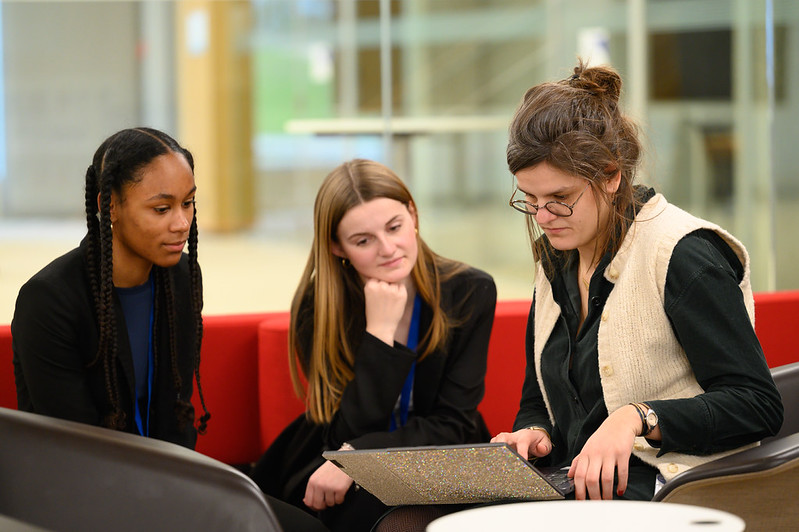
MockMUN 2026: A Day of Preparation for FerMUN 2027

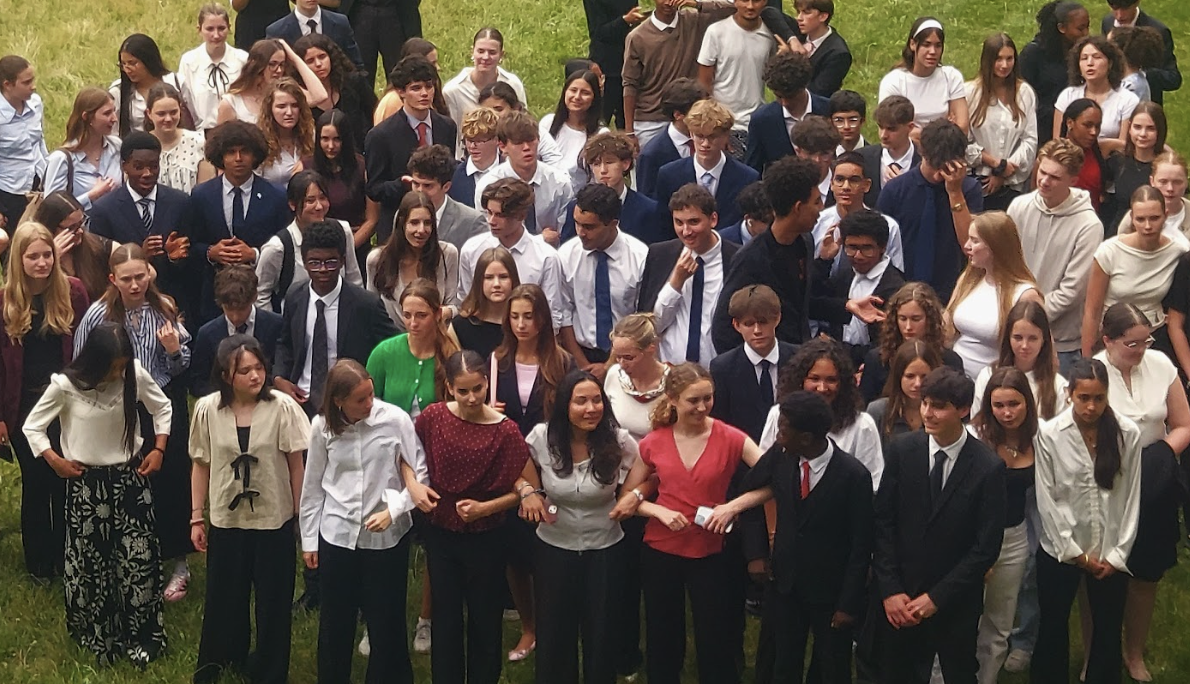
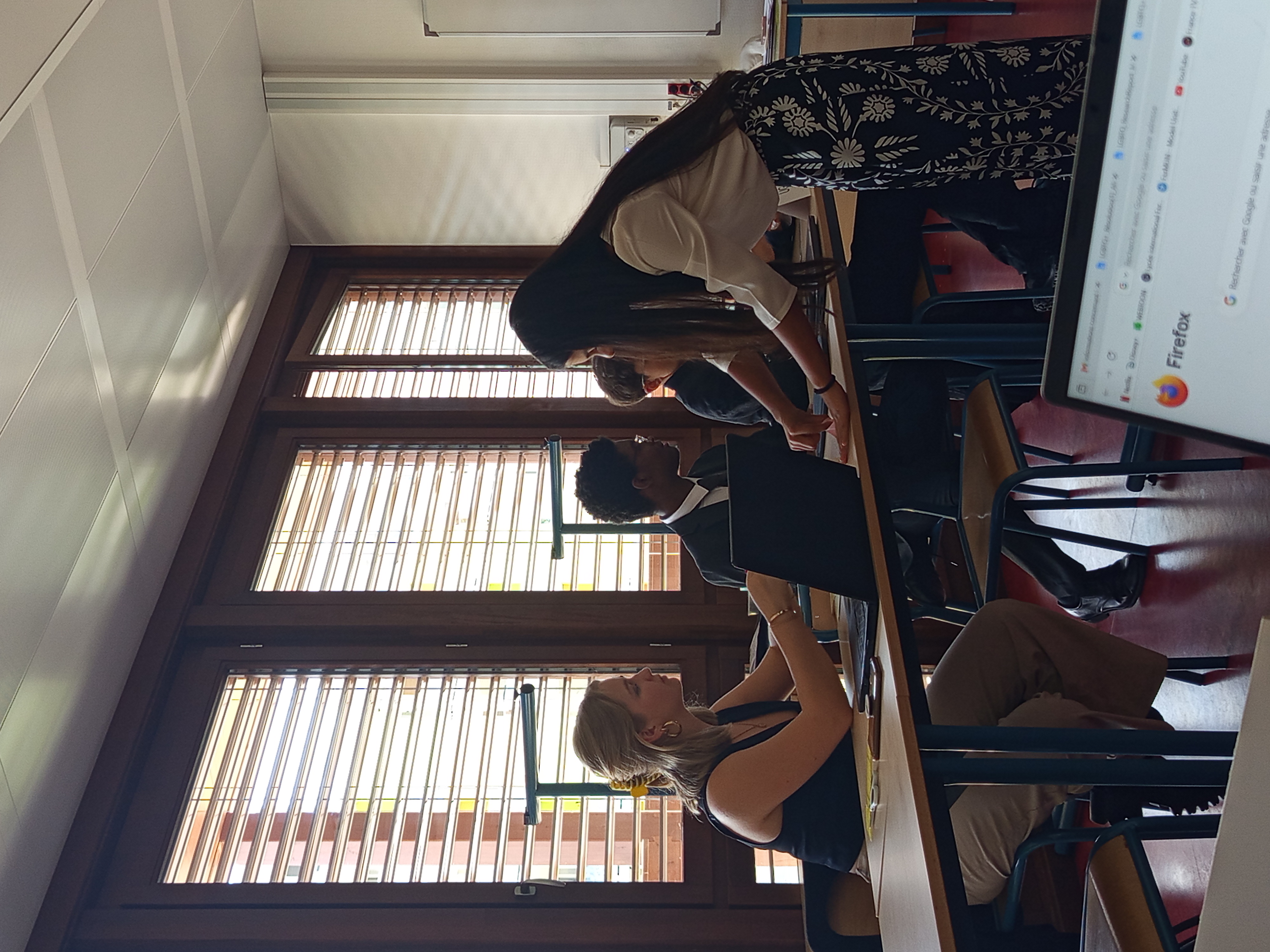
On Monday, June 8, 2026, with the baccalaureate exams fast approaching, the Saint‑Genis‑Pouilly International High School transformed into a real‑life NGO to host nearly 200 students preparing for the FerMUN 2027 conference. Through debates, amendments, and resolutions, the students worked together to find compromises and solutions to various problems. In an increasingly complex society and in the face of tense current events, the theme of freedom is often set aside to prioritize collective security, even if it means upsetting the public by taking away their independence. This tension is now being debated and discussed in the various committees from different perspectives. Their work on numerous compromises serves as serious preparation for the upcoming FerMUN 2027 conference.

LGBTQIA+ rights versus cultural traditions and norms

While fundamental rights are still being debated—particularly the right to freedom for the LGBTQIA+ community—many member states remain strongly opposed to this demand; Tunisia is a case in point. This reluctance remains highly problematic in the eyes of countries that defend these rights, notably Germany, but progress is being observed in countries such as Brazil and South Africa. Despite their strong ideological differences in the past, movements in favor of these rights are growing in number, leading to real change.

Individual freedom regarding euthanasia versus collective responsibility

While the possibility of assisted dying is debated, the issue nevertheless raises ethical dilemmas. Since death is still considered a taboo subject, the question of assisted suicide remains highly contentious; should individual freedom be prioritized, or collective responsibility? Many countries, such as Colombia, Switzerland, and New Zealand, oppose the concept of medically assisted dying.

Spy regulations under scrutiny

Within the committee focused on espionage, the line between security, respect for sovereignty, and freedom is still being debated. New technologies are considered more dangerous today, with cybersecurity and cyberattacks providing access to supposedly private files that can endanger nations and sometimes an entire continent. Among delegations, peace is a major point of disagreement, and the regulation of espionage is being called into question.

Nuclear Weapons: Between Threat, Peace, and Risk

In Committee 4, focused on nuclear weapons, the possibility of nuclear disarmament is one of the major issues. The United States is difficult to convince because nuclear weapons are one of its main advantages, and deterrence is one of its primary assets that allows the country to maintain peace. Alliances provide protection for smaller countries, but there is a line that must not be crossed: the use of nuclear weapons for one’s own country in the midst of a war. For now, fortunately, that line has not been crossed. This weapon therefore maintains peace as long as it is used for persuasive purposes and not against an enemy country.

In the end, this MockMUN day wrapped up on a high note, with a positive atmosphere. “It’s a great experience for building self‑confidence; you get to try out things you might not have tried before, and you meet new people you wouldn’t have spoken to otherwise.” We hope the FerMUN 2027 conference will have just as positive an impact. Thank you to all the participants for this wonderful day.

Malhia Vialle Faundez & Liv Bruckert‑Gagneu

LGBTQ+ Committee: Germany Ready to Do Whatever It Takes to Defend Itself

For centuries, members of the LGBTQ+ community have been subjected to discrimination, violence and even criminalisation across the globe. While significant progress has been made in recent decades, the situation remains alarming in other parts of the world, where homosexuality can still be punishable by death. While the Universal Declaration of Human Rights proclaims the equality of all individuals without distinction, it is clear that this equality is far from a reality for millions of LGBTQ+ people. The delegates of the committee on LGBTQ+ rights have therefore set themselves the task of finding common ground in order to identify global solutions to this discrimination.

A first progressive resolution

Backed by South Africa, Argentina, Brazil and Canada, Germany introduced a resolution calling for stronger international action to protect LGBTQ+ people from discrimination and criminalisation. The coalition argues that the rights of LGBTQ+ people are universal human rights and that the United Nations has a responsibility to ensure that these rights are respected worldwide. The resolution aims to strengthen the UN’s monitoring of violence and abuse against LGBTQ+ people, to encourage countries to adopt anti-discrimination laws, and to guarantee equal access to employment, healthcare and housing. It also supports the granting of asylum to people persecuted on the grounds of their sexual orientation or gender identity, the promotion of inclusive educational programmes, the creation of safe spaces for young people in the LGBTQ+ community, and the repeal of laws that discriminate against these communities. Overall, the resolution presents a proactive, human rights-based approach, emphasising equality, inclusion and international cooperation to combat discrimination.

An ethical battle lost by Germany

Debates began despite the limited number of amendments. The issue of freedom of expression on social media and its influence on teenagers was briefly touched upon, with the Indian delegation arguing that the removal of certain discriminatory comments from posts could undermine individuals’ right to freedom of expression. Shortly afterwards, the Ugandan delegation engaged in a significant debate with the German delegation over a clause encouraging the strengthening of international monitoring of acts of violence and discrimination against members of the LGBTQ+ community: its main argument was that this measure might not respect certain cultures and might not be suited to the level of development of certain countries. The German delegation considered this amendment irrelevant as it was irrelevant and ran counter to the resolution’s main objective, which was to protect the LGBTQ+ community from discrimination, even though many cultures do not accept it. The amendment was adopted, with most of the delegations present siding with the Ugandan delegation.

Generally speaking, most of the countries in favour of this resolution clearly defended it, but the countries opposed to it tipped the vote, and the resolution was not adopted.

Renata Eva Skaburskas, Ludivine Hemakwa et Melissa Maina

Euthanasia: A Never-Ending Debate?

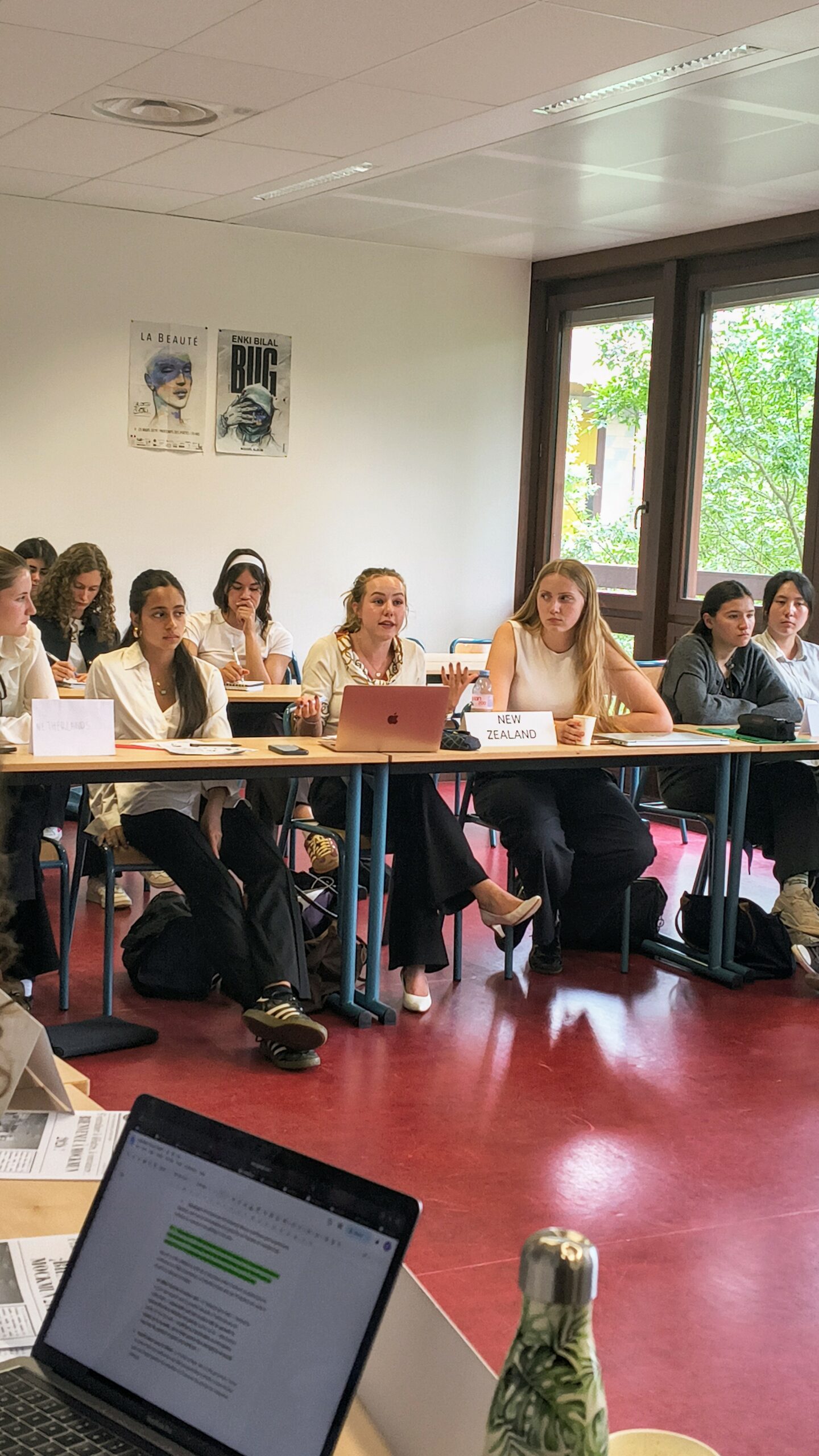
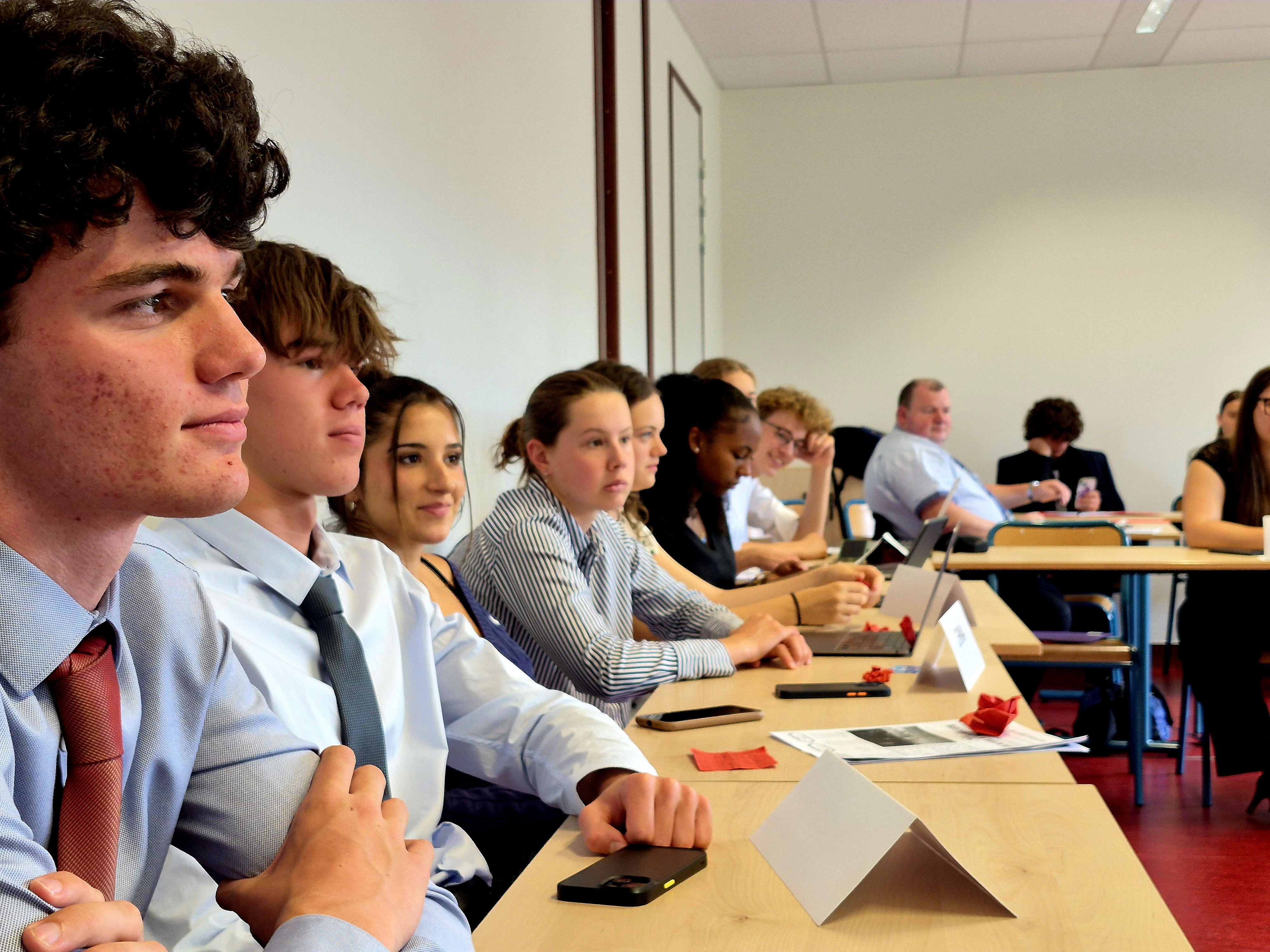
On June 8, 2026, the MOCKMUN debates took place at the Lycée de Saint‑Genis. Within the committee addressing euthanasia, a spirit of mutual support prevailed among the delegates, particularly during the origami rose‑making activity, which proved challenging for some… However, during the debates, the committee turned into a true battlefield. Two opposing camps emerged: the countries in favor of euthanasia, and those firmly opposed to it. Euthanasia can be active, meaning it directly causes death, but it can also be passive, allowing a person to die by indirectly causing their death through the withdrawal of life‑sustaining treatment.

End-of-life care: the main countries advocating for it

Many countries accept euthanasia and seek to promote this principle so that every individual, regardless of their background, may have the right to die. Our neighboring country, Switzerland, for example, allows citizens of other countries to come and undergo the procedure there, but it is clear that the Netherlands remain the leader and pioneer in this field.

Indeed, this delegation was heavily involved throughout the morning in defending its pro‑euthanasia stance. Other countries hold a more nuanced view; some prohibit active euthanasia but permit passive euthanasia, such as India. Indeed, the government of that country supports passive euthanasia because it is less shocking and brutal than active euthanasia. However, the situation remains complicated because the first authorization for the use of euthanasia was granted last March with great difficulty. The patient had been in a vegetative state for several years, and after lengthy deliberations, the Supreme Court agreed to grant him the right to passive euthanasia. This was a landmark moment in India’s history, as it was the first time euthanasia had been approved despite a long and complicated legal process. This reflects a shift in public opinion regarding this sensitive issue.

Opposition to euthanasia: the divide in arguments

However, some countries oppose the use and spread of euthanasia within their borders for a variety of reasons, which may be both religious and cultural. Mexico and Morocco, for example, have populations that are predominantly Catholic or Muslim. The idea of decreeing a person’s death in place of God is unimaginable to them. Other nations, such as Spain, New Zealand, and Poland, have aligned themselves with the view that the use of euthanasia is neither just nor ethical. For the governments of these countries, the act of intentionally killing a person is unthinkable because it violates the patient’s dignity, which is protected by various laws.

It is because of these widely divergent opinions that the morning ended with a resolution that failed to pass…

This clearly demonstrates just how sensitive and controversial the topic of euthanasia is. One might wonder if we will ever be able to overcome our differences in order to find, together, the best way to help those who are suffering. Let us not forget: we are fighting to defend those who cannot defend themselves.

Chloé ARNAUD, Adriano PORRU, Zoe PISTILLO

Interstate Spying – Surprising Agreements in a Mixed Atmosphere

Room B107, during MockMUN 2026, was the scene of unlikely alliances and tense exchanges. When Iran and Israel form an alliance, questions inevitably arise, especially given the current geopolitical context. When it comes to regulating espionage between states while preserving national security, traditional positions can be unexpectedly overturned.

A surprising alliance given current geopolitical events

Israel and Iran drew particular attention by agreeing on the first resolution. Despite the geopolitical tensions between them, the two delegations found themselves working together, alongside Russia, China, and North Korea. All agreed on the need for greater flexibility in managing intelligence activities between states.

However, despite this temporary alignment, Iran remains in a more vulnerable position due to its conflict with Israel. This dynamic led to exchanges that were at times tense, even aggressive, between delegations that had nevertheless signed the same resolution.

A more relaxed atmosphere on the other side of the room

The second resolution, co‑sponsored by the United Kingdom, Germany, Brazil, the United States, and Switzerland, focuses more on security and the protection of civilians. It warns against the risks of insufficiently regulated state‑to‑state espionage and advocates for the adoption of stricter regulations. These countries, benefiting from a more stable geopolitical environment, approached the debates in a calmer atmosphere, which facilitated the review and adoption of amendments. This contrasted sharply with the tensions observed between delegations from countries in conflict, such as Iran and Israel.

At the conclusion of the debates, Room B107 demonstrated that diplomacy can sometimes give rise to unexpected alliances. Despite deep differences and persistent tensions, the delegations were able to defend their interests while seeking compromises, illustrating the complexity of international relations. This session nevertheless raises a question that goes beyond the scope of MockMUN: to what extent can states cooperate on common security issues when their geopolitical interests collide — a debate that remains highly relevant today.

Joana Watelet & Flore Gasser Husselstein

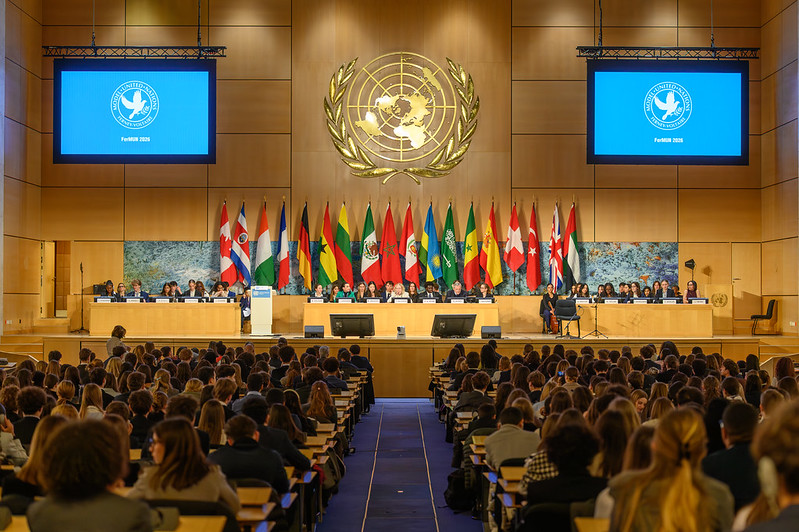
The opening ceremony of FerMUN 2026: spotlight on the crisis of multilateralism

On 6 January 2026, at the United Nations Palace, the 15th FerMUN conference officially opens its doors. 610 young students from 30 schools and 17 different countries are gathered for a new, enriching and global edition. The conference’s opening ceremony is marked by strong commitment and boundless passion from all generations.

The opening ceremony of FerMUN 2026 begins with a speech by Ms Tatiana Valovaya, Director-General of the United Nations Office at Geneva. Ms Valovaya emphasises the importance of preserving the heritage and history of the United Nations, but also of finding solutions to modern challenges, such as labour rights and the informal economy. Abdul-Salam Antwi follows with an inspiring and powerful speech: in his view, students can take on the role of diplomats, because there is no age limit when it comes to taking action. Young people offer answers, food for thought and ideas for change. Abdul-Salam reminds us that the future is in the hands of young people, thanks to the articles they write, the resolutions they prepare and the amendments they make: “You are not just playing the role of a delegate or a president. You become one,” Abdul-Salam emphasises. Ms Jurgensen, France’s Permanent Representative to the United Nations, adds that multilateralism is not just a matter for diplomats and governments, but for each and every one of us.

When we talk about youth, we are not only referring to teenagers and young adults, but also to children. Mathéo, Léna and Léonie, pupils at Jean Calas Primary School, explain that at their school, they practise debating, arguing and listening to other people’s points of view. They discuss topics such as gender equality, observing gender discrimination at school. Mathéo points out that ‘even at the age of 9 or 10, we can talk about important issues.’ Several speeches thanked the directors of FerMUN, everyone’s opinion, for accompanying, encouraging and supporting us, and in particular Philippe Launay, for whom this conference is the last, to everyone’s regret.

The United Nations is overflowing with talent today.

The Devil Wears Prada and Gossip Girl, two iconic classics, feature in the opening video – the United Nations is brimming with talent and creativity today. FerMUN participants, not limiting themselves to international relations and diplomacy, excel in a variety of other fields. Ishani Petitjean and Sarra-Maya Hadiji soften the atmosphere with two remarkable guitar performances, the musical interlude being a FerMUN tradition. As for the second video, a cover of Ed Sheeran’s song Azizam, it perfectly illustrates the cosmopolitan dimension of FerMUN and the spirit of cooperation, with the participation of many schools.

Multilateralism is being challenged more than ever before.

In a world fractured by international conflicts, global warming, and even AI, multilateralism is being called into question more than ever (inter-state cooperation for decision-making, editor’s note). These speeches prompt reflection on the effectiveness of international organisations. Is the law of the strongest likely to soon dominate the world stage? This theme, at the heart of our conference, is introduced by Alain Le Roy, French Ambassador and former Deputy Secretary-General of the United Nations, along with four young students who won the FerMUN public speaking competition.  Mr. Le Roy provides a profound and enlightening explanation with historical background on the subject. He defends the effectiveness and legitimacy of the UN, even though some crises are difficult to resolve. “Of course, the UN is not perfect, but when it is not there, it is even more catastrophic.” According to him, the solution is to reform the UN, not to dissolve it. 

As for the young people’s comments, they demonstrate our generation’s commitment and willingness to take responsibility, with condemnation of broken agreements and criticism of the UN Security Council, but also the importance of understanding other people’s points of view and not seeing difference as an obstacle. One student mentions the impact of social media and AI on young people’s patience, which is wearing thin in the face of unresolved crises. She nevertheless points out that Generation Z remains an ‘optimistic generation’. Another student gives a speech raising awareness about the breakdown of dialogue, the widening gap between rhetoric and practice, and the weakening of trust between international organisations and the United States (with Trump’s foreign policy): ‘a pathology threatens multilateralism’. Many questions arise: should the right of veto be changed? How should geopolitical issues be managed? While opinions differ on this crisis, ranging from optimistic to more critical views, and from global to local perspectives, everyone agrees on one thing: multilateralism is essential, and young people have a key role to play in re-establishing dialogue within the international community. 

Students and experts assert that rhetoric does not reflect current reality, and that theoretical decisions must be put into practice. But will delegates live up to their own expectations? Will they be able to follow the guidelines they have issued to international organisations? We will find out in the coming days.

Hélène Khukhunaishvili

español

FerMUN in Istanbul

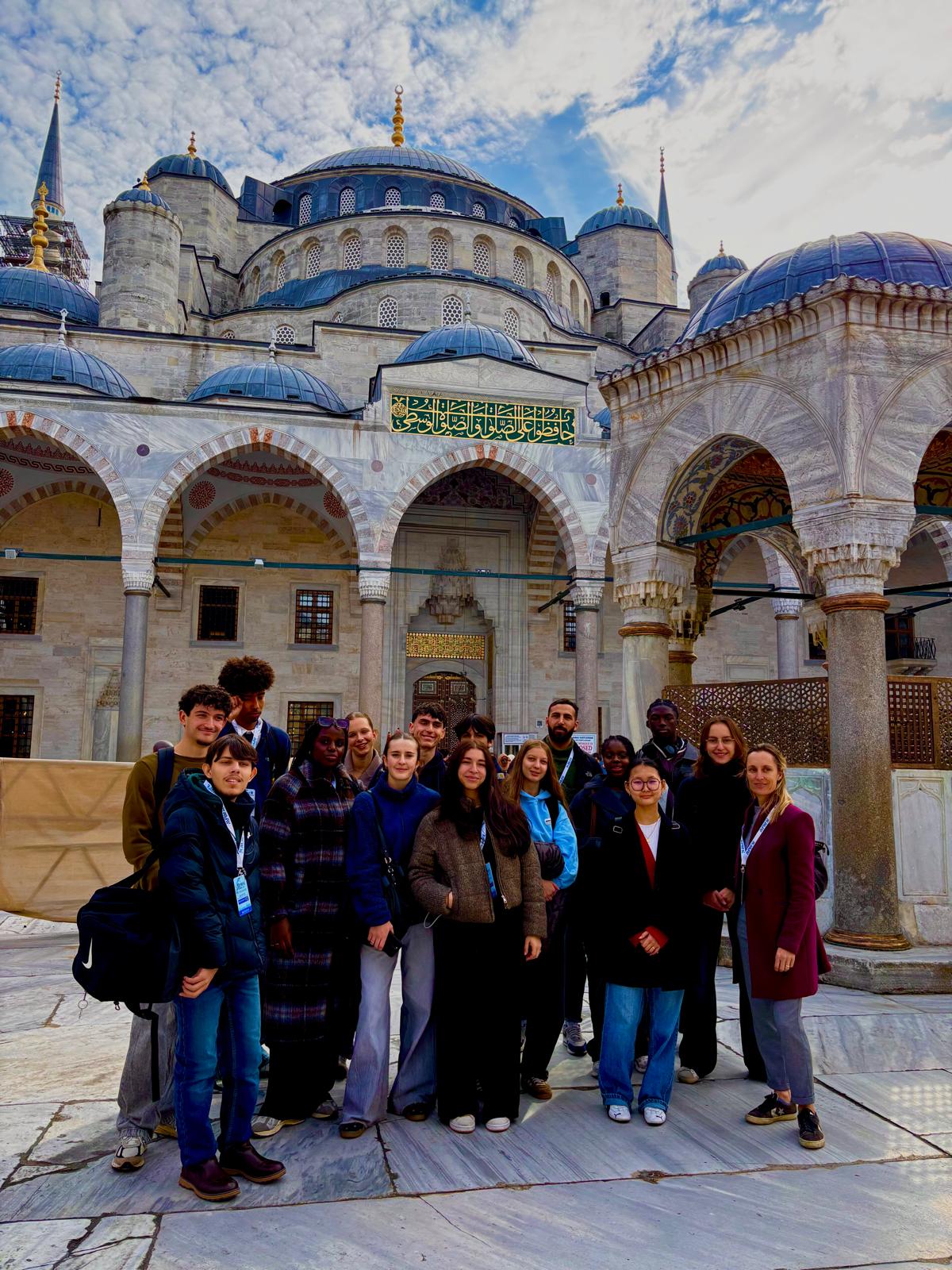
From 3rd to 8th of December, 16 students from Ferney and Saint-Genis had the opportunity to participate in MFINUE (Modèle Francophone International des Nations Unies en Eurasie) at Saint-Joseph High School in Istanbul. The week was marked by unforgettable cultural visits, new friendships and, above all, fruitful debates on a wide range of new topics. Here’s a look back at this exceptional week.

MFINUE is a unique conference with many committees that are not present at FerMUN. Walking through the corridors of Saint-Joseph, one could see a multitude of assemblies ranging from the International Court of Justice to the General Assembly and the UN Security Council. It was in this context that the high school students were able to flourish and develop their knowledge, particularly by using the veto power present in the Security Council.

They also had the opportunity to discover the historic city of Istanbul thanks to cultural visits organised by the host school. During this day punctuated by presentations on Istanbul’s various must-see sites, the Ferney students were able to discover the architectural and culinary riches of the European and Asian shores of this city that never sleeps

In short, it was a wonderful experience that left a lasting impression on everyone and enabled Ferney high school students to improve their skills ahead of FerMUN.

​​

​​​​​​​​​Elio DO VALE MARTINS

FerMUN at CLERMUN

5 days of diplomacy in Clermont-Ferrand

The conference

This year, from 3 to 8 November 2025, FerMUN delegates have the opportunity to attend the 6th edition of the ClerMUN conference, which takes place at the Hôtel de Région in Clermont-Ferrand.

ClerMUN is a bilingual conference (English/French) and this time focuses on an important theme: Rights and Freedoms. Around the world, rights and freedoms (such as freedom of expression and equality) are not always guaranteed and are under serious threat today. That is why, over the course of these five days, our delegates debate within four committees focusing on key themes: the UNSC (Security Council), the UNHRC (Human Rights Council), UN Women and UNESCO (education).

What the delegates can expect

During the conference, our delegates have the opportunity to discover a new environment and meet other young people engaged in debates. They are able to get involved in current affairs, while gaining valuable experience in teamwork and public speaking.

FerMUN’S STAY AT MUNUCCLE

As one of the 19 schools participating in MUNUCCLE 2025, FerMUN sent 16 students from the Cité Scolaire Internationale of Ferney-Voltaire to take part in the 8th edition of the MUNUCCLE conference, which took place from October 6th to 10th in Brussels.

The students arrived in Brussels on Monday, October 6th, before settling into the youth hostel to rest and prepare for the conference.
On their second day, they had the opportunity to visit three major European landmarks: the House of European History, the Hemicycle, and the Parlamentarium. During the museum visit, the FerMUN students deepened their understanding of European history by discovering its key periods and defining events.
The visit to the Hemicycle was led by a member of the communication team, who, through an interactive quiz, introduced the students to the functioning of the European Parliament, its history, and the role of its members.
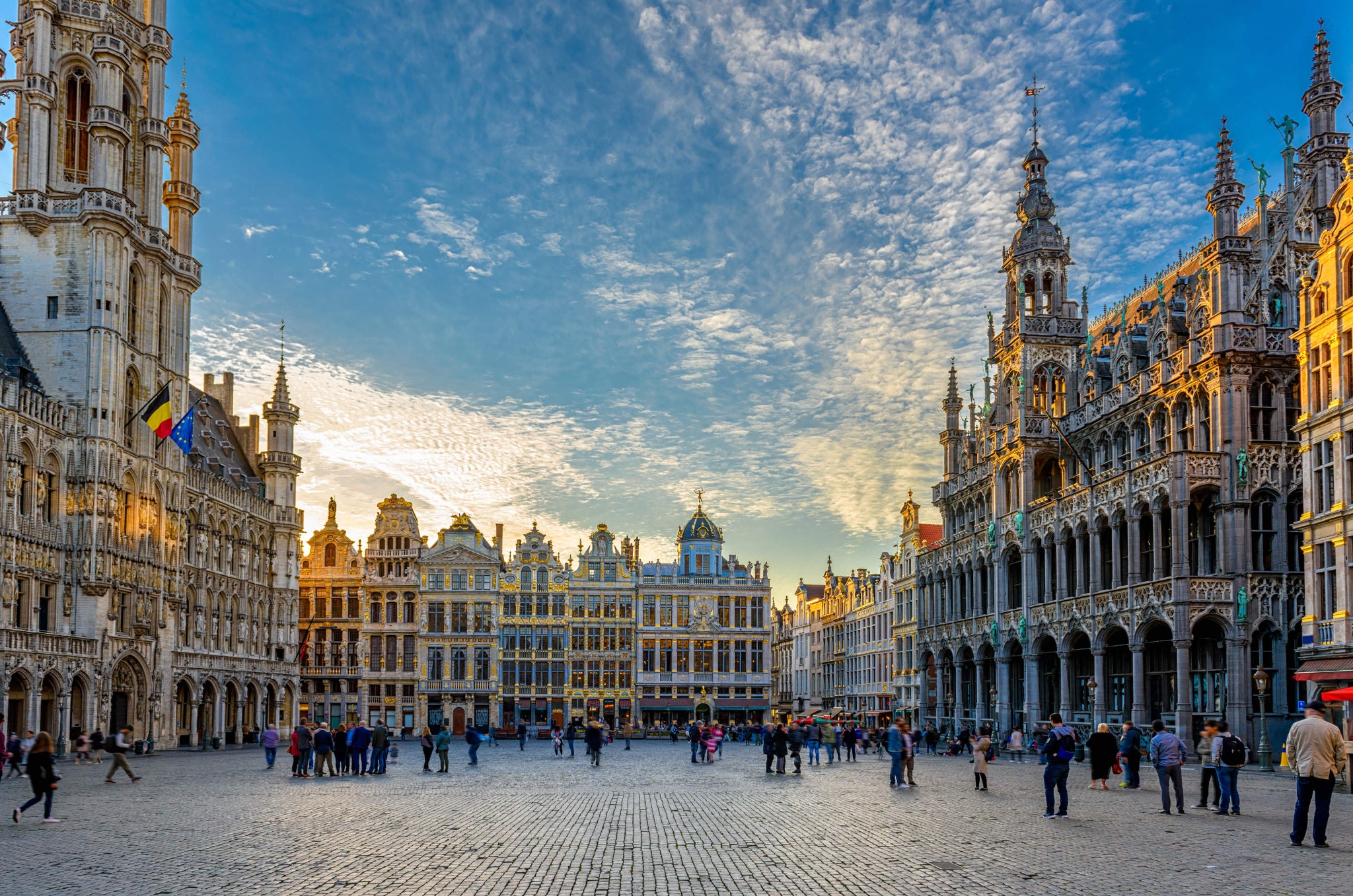
At the end of the day, the students had some free time to explore the Grand Place and Brussels’ emblematic Manneken Pis, buy souvenirs, and enjoy some local specialties.

It was on the third day that the long-awaited MUNUCCLE adventure truly began. After a warm opening ceremony led by Secretary-General Mina Konaktchiev and President Leah Guichard, the conference officially commenced.
In an atmosphere that was both serious and passionate, the forums gathered students from various schools to debate major global issues. Each participant represented a citizen and defended their views on topics such as climate, labor, global security, inequality, gender, justice, freedom of expression, the right to information, and migration.
Among our students, 11 represented citizens from countries including Niger, Kazakhstan, the Philippines, Sweden, the Republic of Korea, and Libya. In addition, four held special roles: one lawyer, two experts, and one journalist.

Guided by the roles they embodied, the students had to argue, propose solutions, and seek compromises just like real diplomats. The debates were rich, sometimes lively, but always marked by respect and attentive listening. This unique experience allowed them to better understand the complexity of international political decision-making while developing their critical thinking and public speaking skills.

The students also had the chance to relax and enjoy themselves. On Thursday evening, they attended a social event organized in Uccle. All participants, dressed up for the occasion, gathered in a friendly and festive atmosphere, making it a truly memorable evening.

Finally, after three days of intense and dynamic debates, the conference concluded with the closing ceremony. Beforehand, a General Assembly brought together all committees to debate one clause per forum. At the end of this session, the ICJ judges announced their court’s verdict.
The closing ceremony then began with speeches from the committee presidents and press editors-in-chief, followed by the presentation of awards to the best citizens and journalists, as well as honorable mentions. FerMUN was especially proud to see one of its students, Éléa Gligorijevic, receive the award for Best Delegate in the Freedom of Expression forum.
To conclude, the MUNUCCLE Secretary-General and President delivered moving speeches before inviting everyone to share one final meal together.

Thus ended these five unforgettable days in Brussels, leaving the FerMUN students with lasting memories.
We would like to sincerely thank Mr. Konieczny, biology teacher, and Ms. Massoue, history and geography teacher, for accompanying us throughout the trip. Their kindness, constant support, and good humor helped maintain a warm and positive atmosphere even during moments of fatigue or stress. Thanks to their presence and dedication, this stay was not only an enriching experience but also an unforgettable adventure.

Pink October 2025

A national campaign dedicated to the fight against breast cancer.

Every October in France, the Pink October campaign reminds people of the importance of organised screening for breast cancer, the most common cancer among women. Regional health agencies are working alongside institutional partners, associations and health professionals to raise awareness, provide information and encourage participation in screening.

Pink October is an annual breast cancer awareness campaign that began in 1985. Originating in the United States, it first appeared in France in 1994, spearheaded by Marie Claire magazine and the Estée Lauder group. Together, they created the association ‘Let’s Talk About Breast Cancer !’, renamed ‘Pink Ribbon’ in 2020.

To better understand the challenges involved in this campaign, it is worth looking at some key figures: in 2018, Santé publique France recorded 12,146 deaths per year linked to breast cancer. Although mortality has been declining since the 1990s, incidence, i.e. the number of new cases over a given period and for a given population, is on the rise. In fact, France has the highest incidence rate of breast cancer in the world.

However, survival rates for those affected have improved significantly thanks to medical advances and increased awareness. A national screening programme has been set up, offering screening to all women aged between 50 and 74 in order to detect the disease as early as possible and reduce mortality rates. In 2023, according to Santé publique France, 48.2% of women concerned participated in this programme. According to an unpublished survey published by the Ligue contre le cancer (League Against Cancer) during Pink October, 8 out of 10 women (77%) say they are in favour of setting up mobile screening units that travel to their places of residence.

The event addresses a number of issues: raising awareness about screening, improving the daily lives of women affected by this disease and advancing research. Cancer detected early offers much better chances of recovery and therefore survival. Despite the national programme, around 60% of women affected do not participate. This is mainly because many of them consider themselves to be in good health and do not believe they are at risk.                                               

In light of these findings, one message stands out: take care of yourself and get screened. But the fight against breast cancer is not limited to individual commitment. More than ever, it calls for solidarity and collective engagement. So, how can we turn these findings into hope and action?

Many associations and companies get involved in Pink October every year. The Pink Ribbon Association reports that since 2004, nearly four million euros have been raised for research and support. In addition, pink-coloured promotional items (pens, ribbons, T-shirts, caps, etc.) are available, with some of the profits going to research. At the local level, more visible symbols are also promoted: for example, the Montpellier Cancer Institute (ICM) organises the pink umbrella campaign, which has become a symbol of screening.

Finally, UN Women France reiterates the importance of supporting women and the right to gender equality: “Behind every journey, there is a story of courage and resilience […] Pink October is also an opportunity to reaffirm that listening to and supporting women are inseparable from the fight for their rights and gender equality.”

Emilie Bouzanne Des Mazery

12 August: International Youth Day 2025

Every 12 August, the international community celebrates International Youth Day, an opportunity to highlight the important role young people play in building a sustainable and peaceful future. In 2025, the theme of this day is ‘Local action by young people for the Sustainable Development Goals and beyond,’ emphasizing that in order to move the world forward, we must start with local action.

The United Nations reminds us that young people are essential partners in achieving the Sustainable Development Goals (SDGs), bringing creativity, innovation and deep commitment to their communities. This day also has special significance as it marks the 30th anniversary of the World Programme of Action for Youth, which reaffirms that when young people play a major role, societies prosper.

In this context, Model United Nations (MUN) events, and FerMUN in particular, offer a unique space where young people can express themselves, debate and develop essential skills. These simulations of the United Nations allow participants to explore major international issues and understand how global institutions work. They also develop their critical thinking, argumentation, negotiation and cooperation skills. This enables them to acquire communication, leadership and project management skills. Above all, it allows them to make their voices heard on global issues, thereby strengthening their civic engagement.

Our Fermun conference is a perfect illustration of this commitment. Every year, it brings together young people who are motivated to learn about international relations while exercising their influence in structured debates on a variety of issues, including artificial intelligence, human rights and sustainable development.

These conferences are a real incubator for young people, offering them a stimulating and educational environment where they can become agents of change, both locally and globally. They embody the powerful message of International Youth Day: that action by young people, starting at the local level, can transform the world.

With more than 1.2 billion young people on the planet, many of whom face considerable challenges such as unemployment, conflict or exclusion, strengthening these spaces for expression and training is more necessary than ever.

International Youth Day 2025 therefore invites all stakeholders, from governments to youth organisations and educators, to invest in these participatory and educational platforms to offer young people a future where their voices truly count.

Ruben Buchot