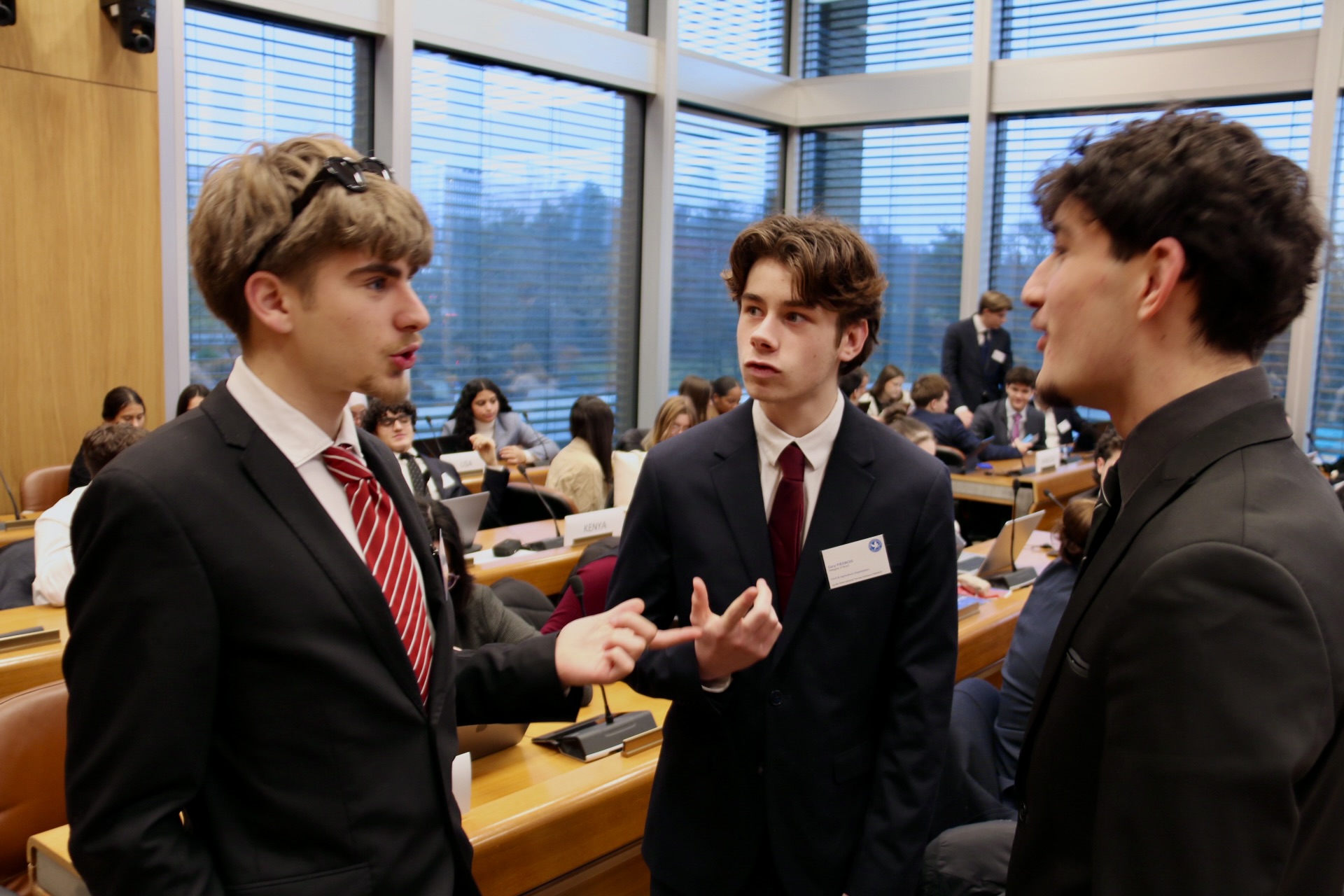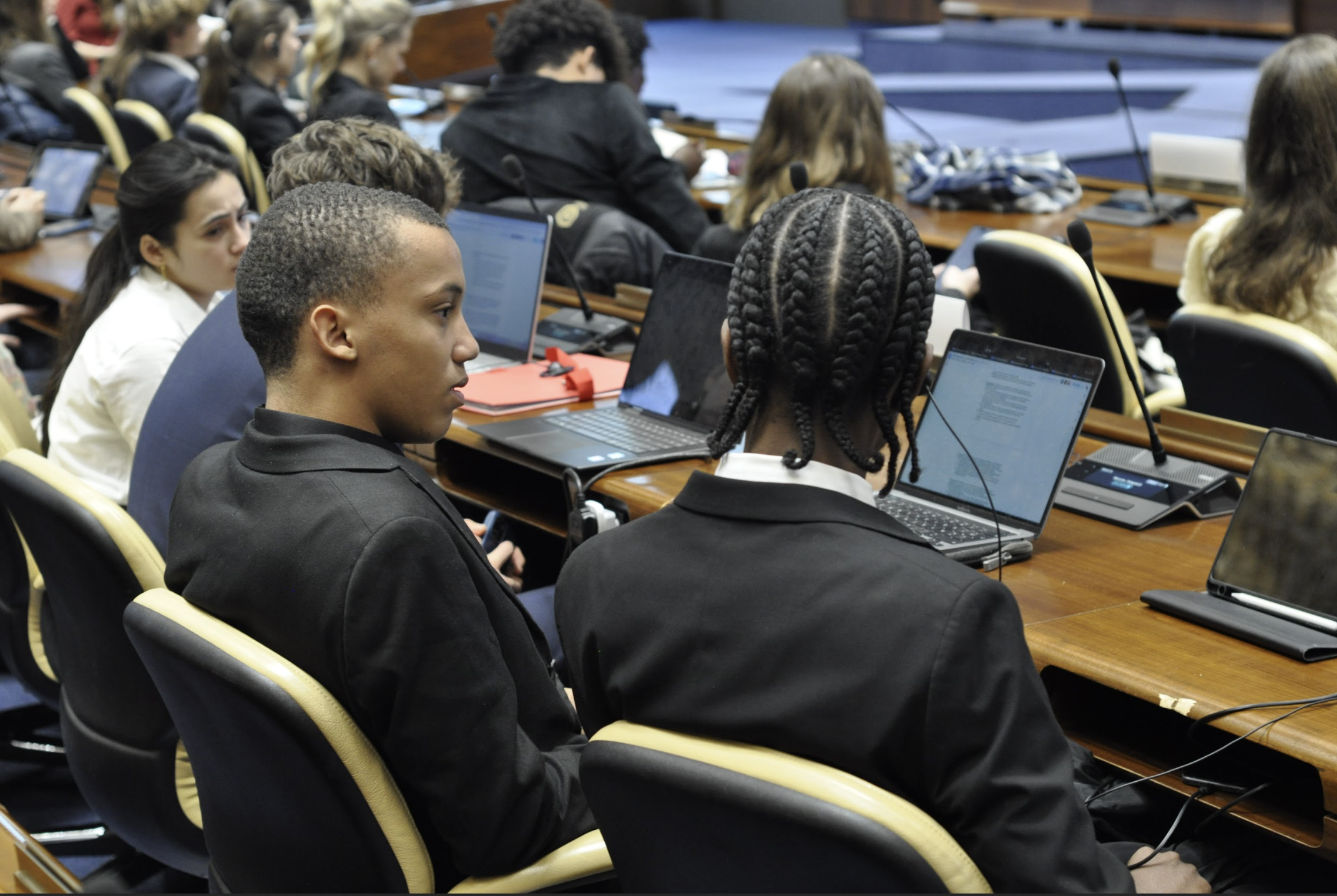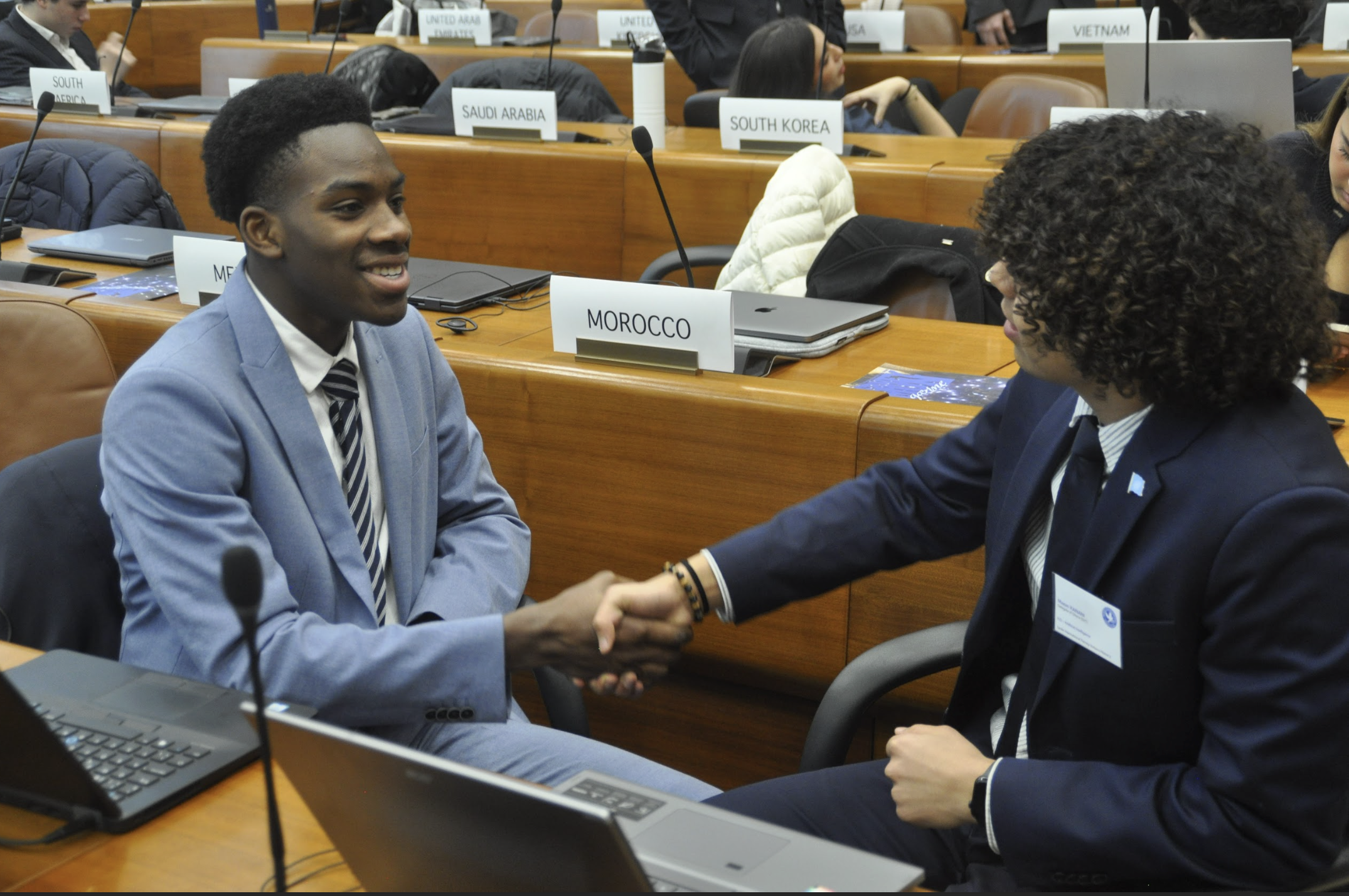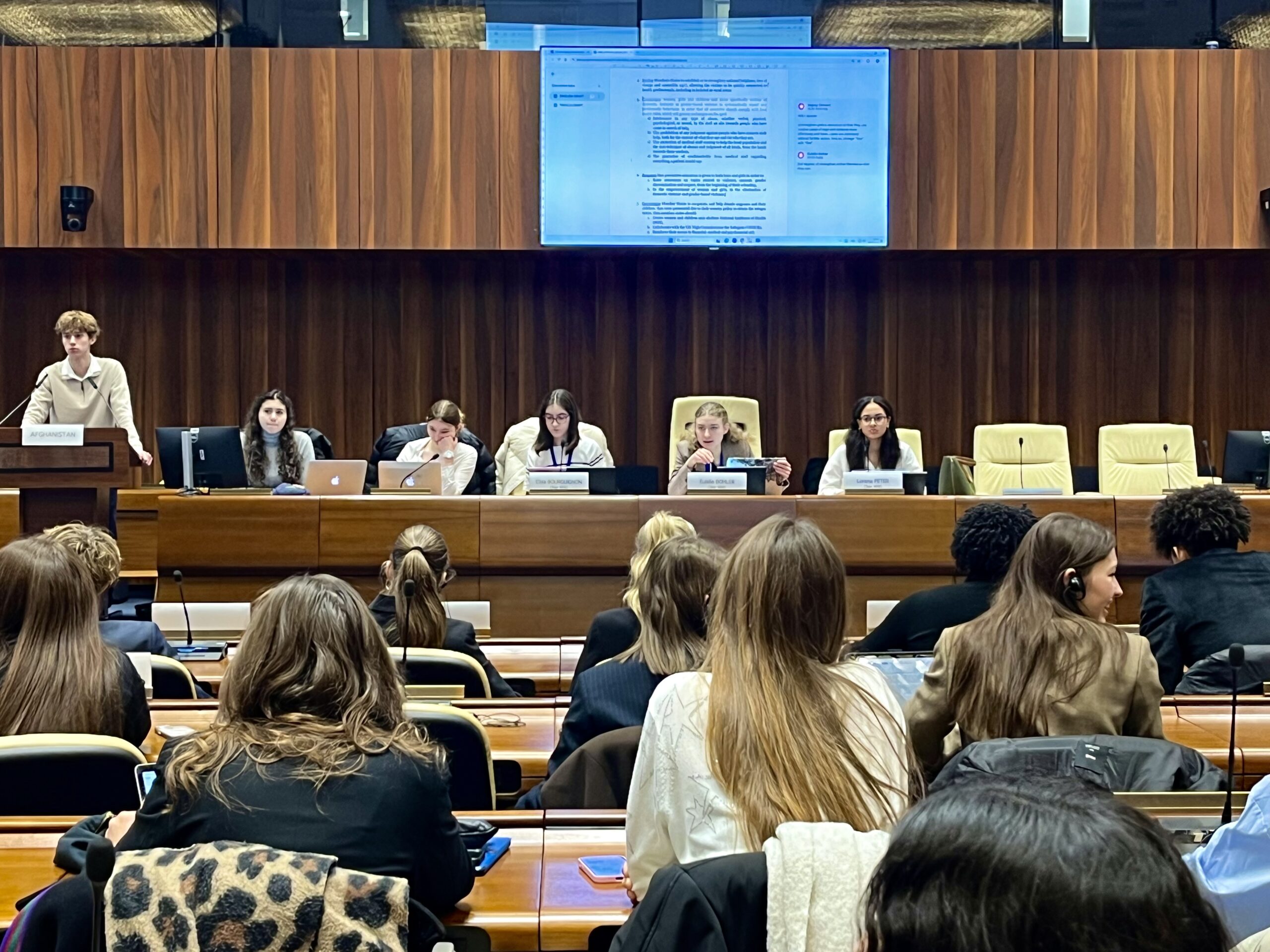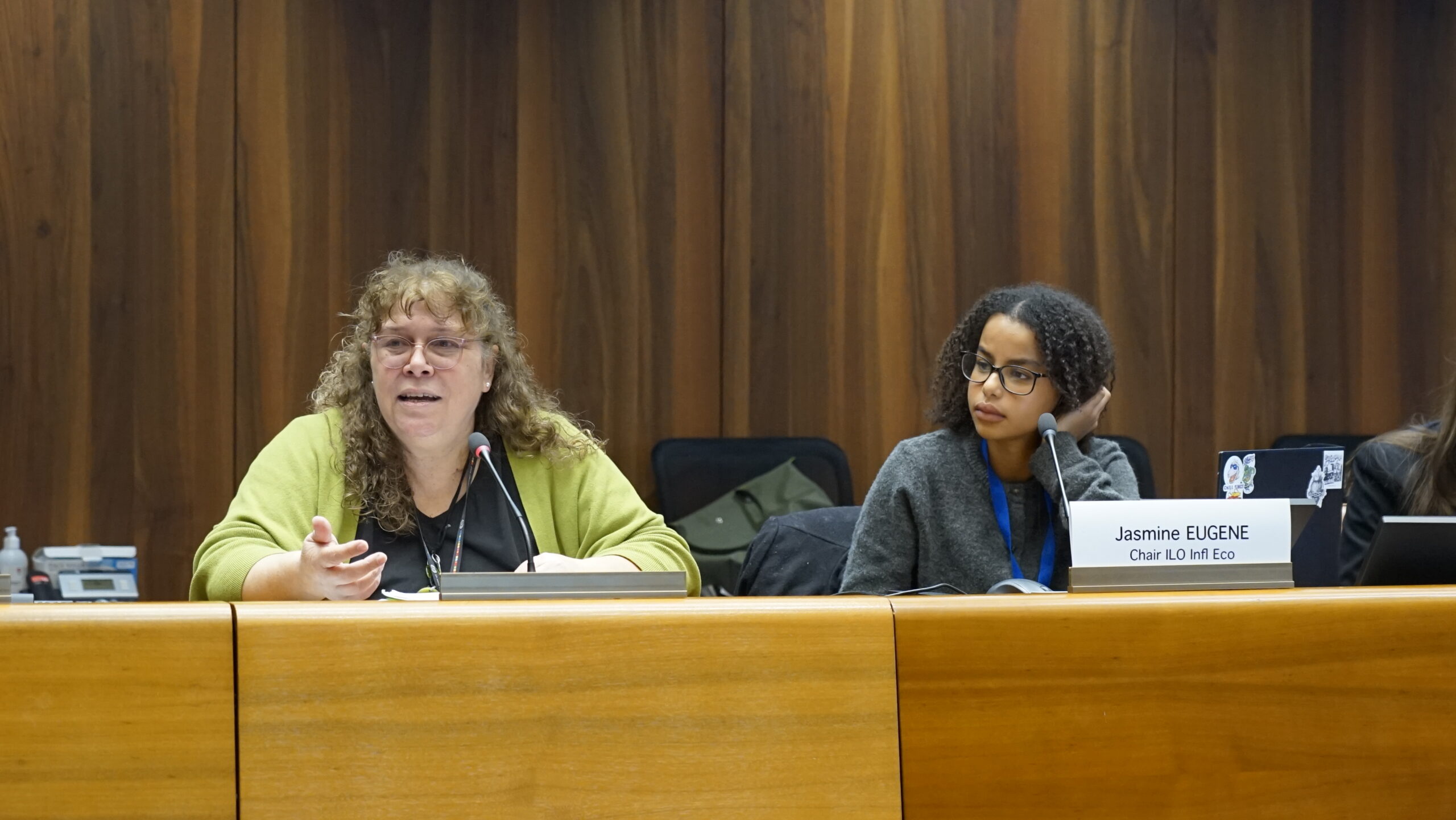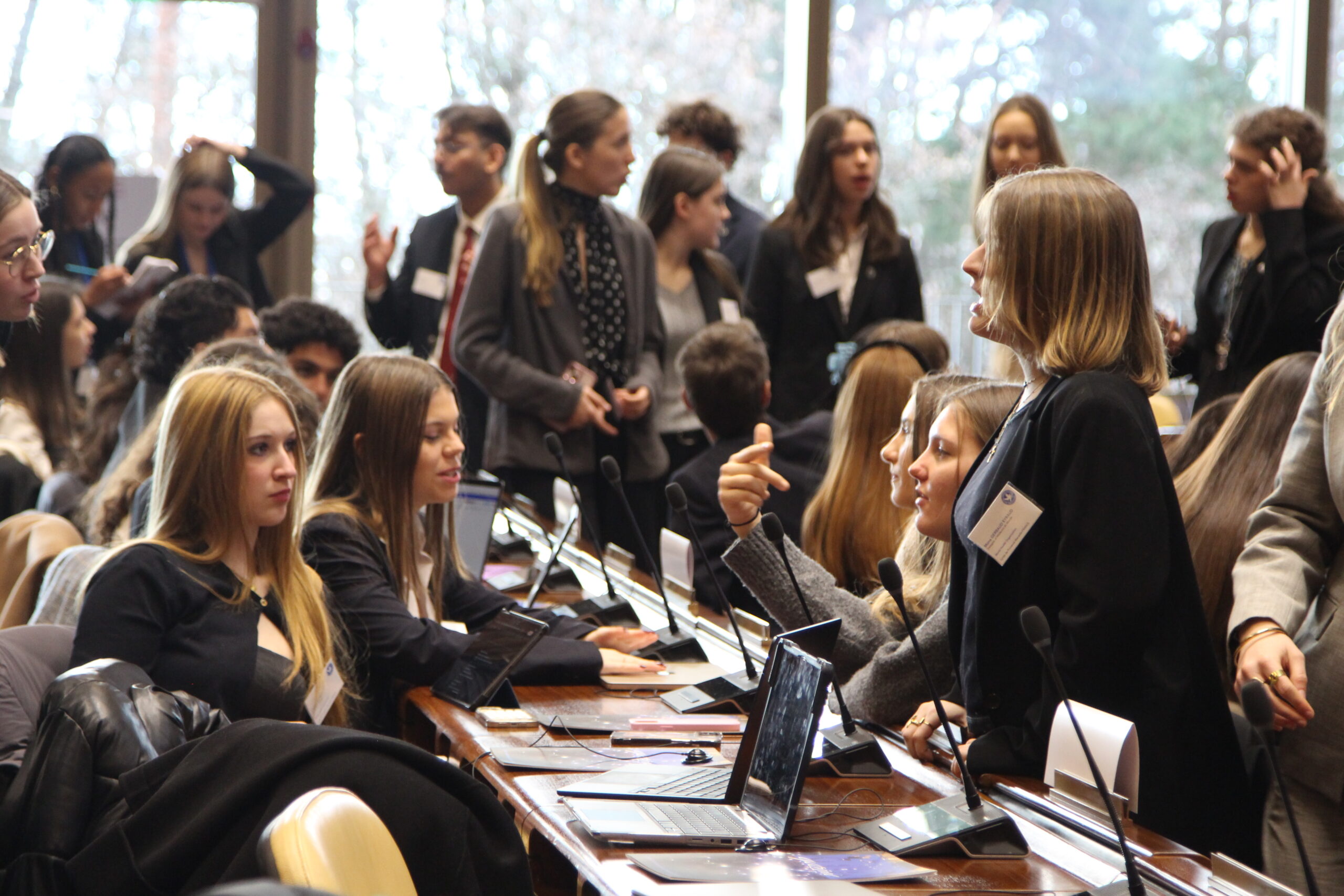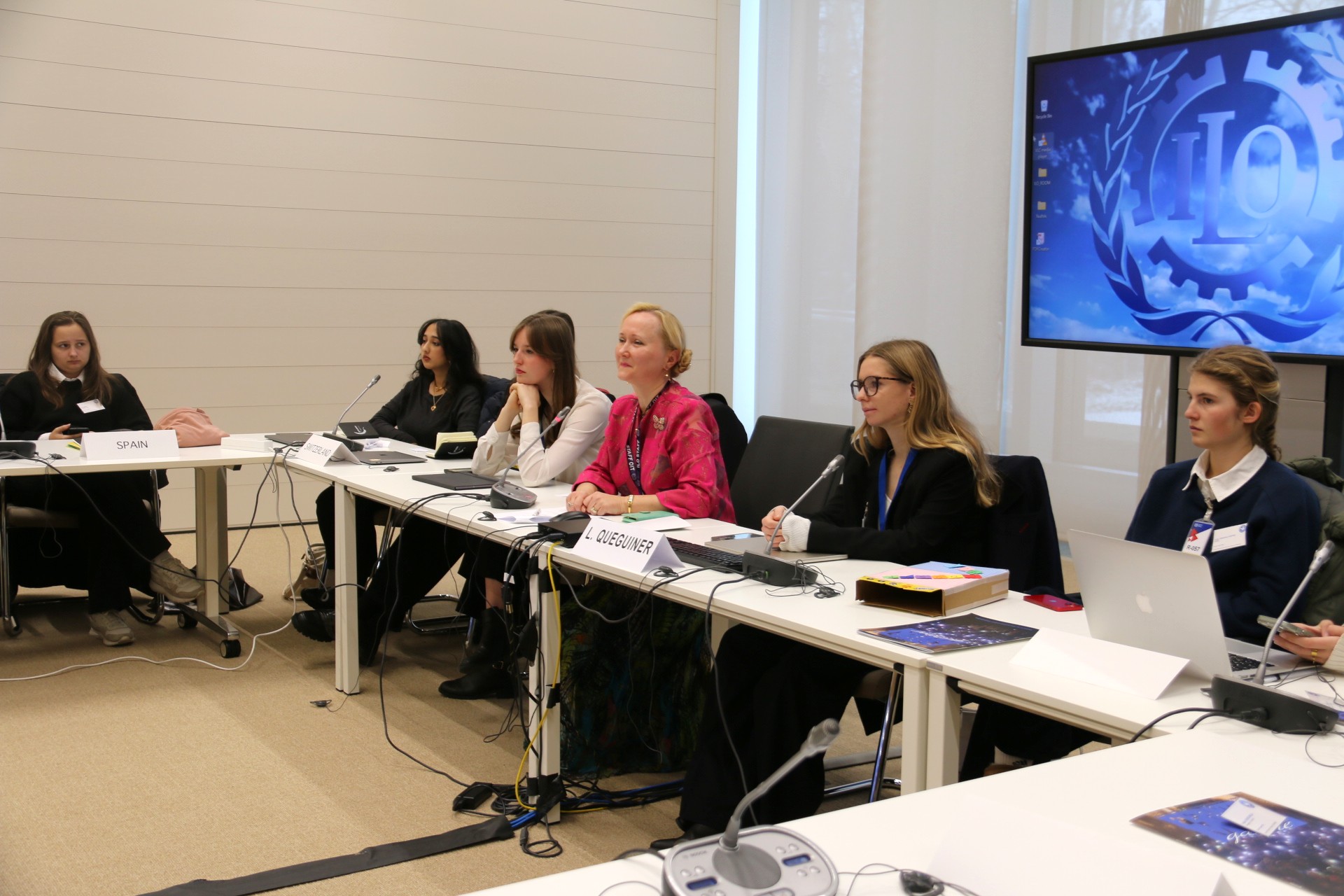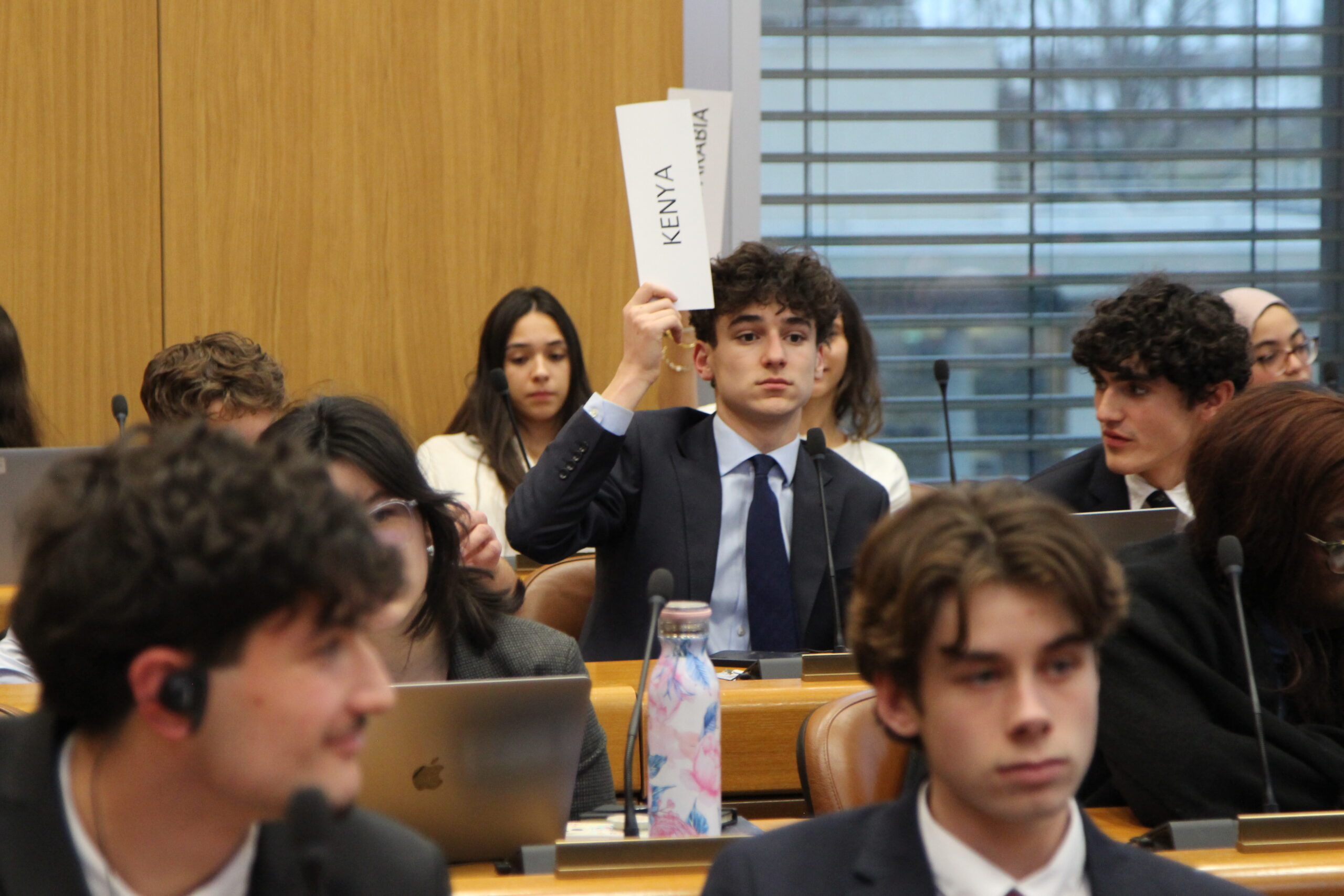
At the labour rights committee, debates shake up certainties

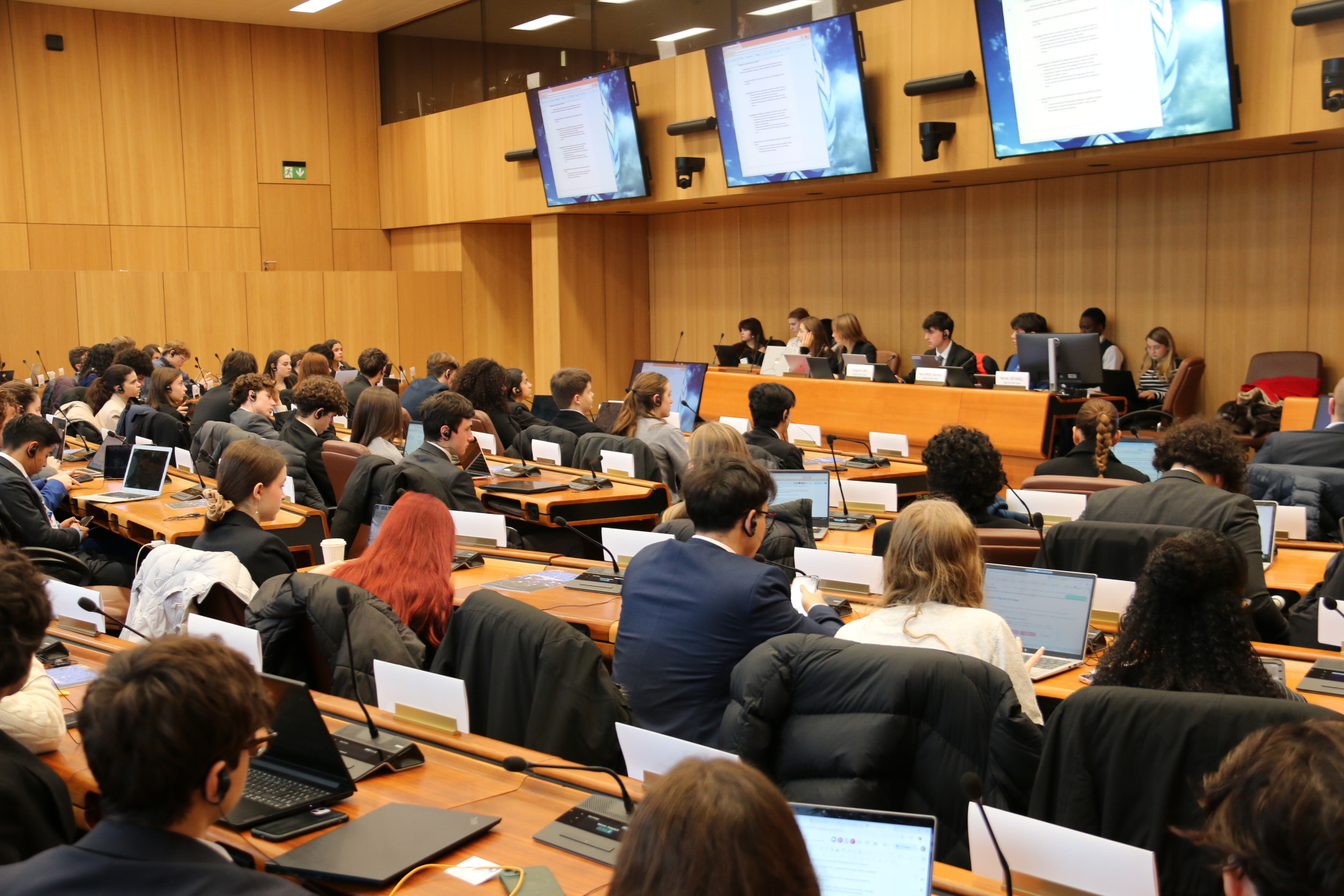
7 January 2025. Tensions are growing in Room IX of the ILO. The United States is at the centre of discussions, despite receiving surprising criticism for its stance on working conditions. Some major powers are divided, with opinions differing.

Maintaining a balance between the health of artists and athletes and the economic interests of the country is the objective of the Chinese employers’ delegation. It then reveals the emergence of conflicts between the American and Chinese governments. 

The Russian government delegation expressed its desire to raise awareness about artists’ mental health. It emphasised the importance of addressing the shortcomings of the freelance system, particularly in the entertainment industry. Unsurprisingly, Russia refused to join forces with the United States. But the reason was unexpected, to say the least: the Russian government highlighted a contrast between the ideas and objectives of the two countries, stating that the United States favours the minimum wage and that ‘workers’ rights are not widely respected’. The debates revealed a striking paradox: Russia called out the United States for its failure to respect human rights, a symbolic reversal for a country long considered a model of democracy. 

On the other hand, Russia has formed an alliance with the Saudi Arabian government. According to the latter, “the relationship between the state and workers is not very well developed”. He admits that his country faces various problems and that working conditions present a real challenge. The Saudi government has acknowledged its difficulties in forming alliances during the lobbying phase. Could this be evidence of a lack of integration of developing countries in international decision-making? Despite this, the state has allied itself with Russia and China, while rejecting Europe and the United States – criticised not only by members of the international community, but also by their own workers. 

They particularly highlight the mistreatment of workers by employers, who use language as a tool for destabilisation. 

A disorder in priorities

It was also this delegation of American workers that caused a stir in the assembly by attempting to ally itself with the Chinese and Russian governments, fundamental enemies of its country. Although this was rejected by the presidency as unrealistic, there is a clear divide between the American government and its workers.

Faced with the crisis in working conditions, we can almost speak of a coalition of emerging and developing countries against the United States, criticising a disorder in their priorities regarding the conditions of their workers. Can we talk about propaganda on the part of Russia, China and Saudi Arabia? Or, on the contrary, are we really witnessing a reversal of geopolitical situations? Are the United States, once the world’s policeman, now disrupting human rights? One might also wonder whether the FerMUN debates accurately reflect reality, or whether they are merely a simulation produced by students who sometimes take liberties with the actual positions of the countries they represent. The finalisation of the resolution may answer these questions.

Hélène Khukhunaishvili & Agathe Sanchez

FerMUN in Istanbul

From 3rd to 8th of December, 16 students from Ferney and Saint-Genis had the opportunity to participate in MFINUE (Modèle Francophone International des Nations Unies en Eurasie) at Saint-Joseph High School in Istanbul. The week was marked by unforgettable cultural visits, new friendships and, above all, fruitful debates on a wide range of new topics. Here’s a look back at this exceptional week.

MFINUE is a unique conference with many committees that are not present at FerMUN. Walking through the corridors of Saint-Joseph, one could see a multitude of assemblies ranging from the International Court of Justice to the General Assembly and the UN Security Council. It was in this context that the high school students were able to flourish and develop their knowledge, particularly by using the veto power present in the Security Council.

They also had the opportunity to discover the historic city of Istanbul thanks to cultural visits organised by the host school. During this day punctuated by presentations on Istanbul’s various must-see sites, the Ferney students were able to discover the architectural and culinary riches of the European and Asian shores of this city that never sleeps

In short, it was a wonderful experience that left a lasting impression on everyone and enabled Ferney high school students to improve their skills ahead of FerMUN.

​​

​​​​​​​​​Elio DO VALE MARTINS

FerMUN at CLERMUN

5 days of diplomacy in Clermont-Ferrand

The conference

This year, from 3 to 8 November 2025, FerMUN delegates have the opportunity to attend the 6th edition of the ClerMUN conference, which takes place at the Hôtel de Région in Clermont-Ferrand.

ClerMUN is a bilingual conference (English/French) and this time focuses on an important theme: Rights and Freedoms. Around the world, rights and freedoms (such as freedom of expression and equality) are not always guaranteed and are under serious threat today. That is why, over the course of these five days, our delegates debate within four committees focusing on key themes: the UNSC (Security Council), the UNHRC (Human Rights Council), UN Women and UNESCO (education).

What the delegates can expect

During the conference, our delegates have the opportunity to discover a new environment and meet other young people engaged in debates. They are able to get involved in current affairs, while gaining valuable experience in teamwork and public speaking.

FerMUN’S STAY AT MUNUCCLE

As one of the 19 schools participating in MUNUCCLE 2025, FerMUN sent 16 students from the Cité Scolaire Internationale of Ferney-Voltaire to take part in the 8th edition of the MUNUCCLE conference, which took place from October 6th to 10th in Brussels.

The students arrived in Brussels on Monday, October 6th, before settling into the youth hostel to rest and prepare for the conference.
On their second day, they had the opportunity to visit three major European landmarks: the House of European History, the Hemicycle, and the Parlamentarium. During the museum visit, the FerMUN students deepened their understanding of European history by discovering its key periods and defining events.
The visit to the Hemicycle was led by a member of the communication team, who, through an interactive quiz, introduced the students to the functioning of the European Parliament, its history, and the role of its members.
At the end of the day, the students had some free time to explore the Grand Place and Brussels’ emblematic Manneken Pis, buy souvenirs, and enjoy some local specialties.

It was on the third day that the long-awaited MUNUCCLE adventure truly began. After a warm opening ceremony led by Secretary-General Mina Konaktchiev and President Leah Guichard, the conference officially commenced.
In an atmosphere that was both serious and passionate, the forums gathered students from various schools to debate major global issues. Each participant represented a citizen and defended their views on topics such as climate, labor, global security, inequality, gender, justice, freedom of expression, the right to information, and migration.
Among our students, 11 represented citizens from countries including Niger, Kazakhstan, the Philippines, Sweden, the Republic of Korea, and Libya. In addition, four held special roles: one lawyer, two experts, and one journalist.

Guided by the roles they embodied, the students had to argue, propose solutions, and seek compromises just like real diplomats. The debates were rich, sometimes lively, but always marked by respect and attentive listening. This unique experience allowed them to better understand the complexity of international political decision-making while developing their critical thinking and public speaking skills.

The students also had the chance to relax and enjoy themselves. On Thursday evening, they attended a social event organized in Uccle. All participants, dressed up for the occasion, gathered in a friendly and festive atmosphere, making it a truly memorable evening.

Finally, after three days of intense and dynamic debates, the conference concluded with the closing ceremony. Beforehand, a General Assembly brought together all committees to debate one clause per forum. At the end of this session, the ICJ judges announced their court’s verdict.
The closing ceremony then began with speeches from the committee presidents and press editors-in-chief, followed by the presentation of awards to the best citizens and journalists, as well as honorable mentions. FerMUN was especially proud to see one of its students, Éléa Gligorijevic, receive the award for Best Delegate in the Freedom of Expression forum.
To conclude, the MUNUCCLE Secretary-General and President delivered moving speeches before inviting everyone to share one final meal together.

Thus ended these five unforgettable days in Brussels, leaving the FerMUN students with lasting memories.
We would like to sincerely thank Mr. Konieczny, biology teacher, and Ms. Massoue, history and geography teacher, for accompanying us throughout the trip. Their kindness, constant support, and good humor helped maintain a warm and positive atmosphere even during moments of fatigue or stress. Thanks to their presence and dedication, this stay was not only an enriching experience but also an unforgettable adventure.

Pink October 2025

A national campaign dedicated to the fight against breast cancer.

Every October in France, the Pink October campaign reminds people of the importance of organised screening for breast cancer, the most common cancer among women. Regional health agencies are working alongside institutional partners, associations and health professionals to raise awareness, provide information and encourage participation in screening.

Pink October is an annual breast cancer awareness campaign that began in 1985. Originating in the United States, it first appeared in France in 1994, spearheaded by Marie Claire magazine and the Estée Lauder group. Together, they created the association ‘Let’s Talk About Breast Cancer !’, renamed ‘Pink Ribbon’ in 2020.

To better understand the challenges involved in this campaign, it is worth looking at some key figures: in 2018, Santé publique France recorded 12,146 deaths per year linked to breast cancer. Although mortality has been declining since the 1990s, incidence, i.e. the number of new cases over a given period and for a given population, is on the rise. In fact, France has the highest incidence rate of breast cancer in the world.

However, survival rates for those affected have improved significantly thanks to medical advances and increased awareness. A national screening programme has been set up, offering screening to all women aged between 50 and 74 in order to detect the disease as early as possible and reduce mortality rates. In 2023, according to Santé publique France, 48.2% of women concerned participated in this programme. According to an unpublished survey published by the Ligue contre le cancer (League Against Cancer) during Pink October, 8 out of 10 women (77%) say they are in favour of setting up mobile screening units that travel to their places of residence.

The event addresses a number of issues: raising awareness about screening, improving the daily lives of women affected by this disease and advancing research. Cancer detected early offers much better chances of recovery and therefore survival. Despite the national programme, around 60% of women affected do not participate. This is mainly because many of them consider themselves to be in good health and do not believe they are at risk.                                               

In light of these findings, one message stands out: take care of yourself and get screened. But the fight against breast cancer is not limited to individual commitment. More than ever, it calls for solidarity and collective engagement. So, how can we turn these findings into hope and action?

Many associations and companies get involved in Pink October every year. The Pink Ribbon Association reports that since 2004, nearly four million euros have been raised for research and support. In addition, pink-coloured promotional items (pens, ribbons, T-shirts, caps, etc.) are available, with some of the profits going to research. At the local level, more visible symbols are also promoted: for example, the Montpellier Cancer Institute (ICM) organises the pink umbrella campaign, which has become a symbol of screening.

Finally, UN Women France reiterates the importance of supporting women and the right to gender equality: “Behind every journey, there is a story of courage and resilience […] Pink October is also an opportunity to reaffirm that listening to and supporting women are inseparable from the fight for their rights and gender equality.”

Emilie Bouzanne Des Mazery

Syria after Bashar al-Assad: between fragile transition and hope for peace

Damascus, October 2025 – After more than thirteen years of civil war and the fall of Bashar al-Assad’s regime in December 2024, Syria is struggling to recover. Marked by violence, community divisions and foreign interference, the country is entering a phase of political transition that is as delicate as it is uncertain. Between hopes for reconstruction and fears of new clashes, the international community, and first and foremost the United Nations, are playing a crucial role in preventing a return to war and supporting Syria on its path to lasting peace.

It all began in March 2011, in the wake of the Arab Spring, a wave of protests that swept across several countries in the Arab world. Thousands of Syrians took to the streets to demand greater freedom and democracy. The regime of Bashar al-Assad, heir to a family dictatorship that had lasted more than forty years, responded with bloody repression. The peaceful demonstrations quickly degenerated into civil war, then into international conflict, involving foreign powers: Russia and Iran supported the regime, while Turkey and the United States backed various opposition groups.

This war of unprecedented violence has left more than 500,000 dead, millions wounded and displaced, and a country in ruins. The Islamic State (IS) took advantage of the chaos to establish a lasting presence, adding a terrorist dimension to the conflict. Despite successive military victories by the regime, supported by Moscow and Tehran, the humanitarian and economic situation continued to deteriorate. In December 2024, a lightning offensive led by the Hayat Tahrir al-Sham (HTS) group and its allies brought an end to Assad’s reign, forcing him to flee the country. Since then, Syria has been ruled by a transitional government, but tensions remain high between rival factions and divided communities.

From the early years of the conflict, the UN has been working to find a diplomatic solution. In 2011, it stepped up its mediation efforts and created several mechanisms to document war crimes and human rights violations, such as the International, Impartial and Independent Mechanism (IIIM) and a short-lived monitoring mission. Despite recurring deadlocks in the Security Council, notably due to Russian and Chinese vetoes, the UN maintains dialogue with all parties and supports transitional justice initiatives.

Following Assad’s fall, UN Secretary-General António Guterres welcomed ‘a historic opportunity for Syrians to build a stable and peaceful future’, while recalling the immense challenges that remain: reconstruction, national reconciliation, justice for victims and the inclusion of all components of society. The UN Special Envoy for Syria, Geir O. Pedersen, emphasised the need for an inclusive political transition, without which the risk of a return to violence remains high.

On the ground, the UN continues to coordinate humanitarian aid. However, funding remains dramatically insufficient: in 2025, less than 10% of humanitarian needs are covered, jeopardising the survival of millions of Syrians.

Elio Do Vale Martins

12 August: International Youth Day 2025

Every 12 August, the international community celebrates International Youth Day, an opportunity to highlight the important role young people play in building a sustainable and peaceful future. In 2025, the theme of this day is ‘Local action by young people for the Sustainable Development Goals and beyond,’ emphasizing that in order to move the world forward, we must start with local action.

The United Nations reminds us that young people are essential partners in achieving the Sustainable Development Goals (SDGs), bringing creativity, innovation and deep commitment to their communities. This day also has special significance as it marks the 30th anniversary of the World Programme of Action for Youth, which reaffirms that when young people play a major role, societies prosper.

In this context, Model United Nations (MUN) events, and FerMUN in particular, offer a unique space where young people can express themselves, debate and develop essential skills. These simulations of the United Nations allow participants to explore major international issues and understand how global institutions work. They also develop their critical thinking, argumentation, negotiation and cooperation skills. This enables them to acquire communication, leadership and project management skills. Above all, it allows them to make their voices heard on global issues, thereby strengthening their civic engagement.

Our Fermun conference is a perfect illustration of this commitment. Every year, it brings together young people who are motivated to learn about international relations while exercising their influence in structured debates on a variety of issues, including artificial intelligence, human rights and sustainable development.

These conferences are a real incubator for young people, offering them a stimulating and educational environment where they can become agents of change, both locally and globally. They embody the powerful message of International Youth Day: that action by young people, starting at the local level, can transform the world.

With more than 1.2 billion young people on the planet, many of whom face considerable challenges such as unemployment, conflict or exclusion, strengthening these spaces for expression and training is more necessary than ever.

International Youth Day 2025 therefore invites all stakeholders, from governments to youth organisations and educators, to invest in these participatory and educational platforms to offer young people a future where their voices truly count.

Ruben Buchot 

FerMUN 2026: Two new committees, FAO and WHO, join the conference

For its 16th edition, FerMUN 2026 is reintroducing two committees outside the traditional framework of the ILO. Unlike the ILO committees, which are organised on a tripartite basis, these new bodies will adopt the classic format of UN agencies. The two organisations chosen are the FAO (Food and Agriculture Organisation of the United Nations) and the WHO (World Health Organisation). The FAO committee will be chaired by Leya Petijean, Hanae Schwebel and Lina Ben Massaouda while the WHO committee will be led by Elisa Bourguignon, Eulalie Bohler and Lorena Peter.

The FAO Committee: ensuring global food security

Founded in 1945, FAO is the UN agency responsible for fighting hunger and improving nutrition worldwide. It currently has 195 member states and operates through the FAO Council, chaired since 2019 by Qu Dongyu. Its main objective is to ensure that everyone has regular access to healthy, sufficient and sustainable food.

The FAO supports countries in their agricultural policies and the management of livestock, fisheries and forestry, while strengthening food security in more than 100 countries. It also leads major initiatives, such as the Special Programme for Food Security, which aims to drastically reduce hunger worldwide, and the Agricultural Market Information System (AMIS), which improves the transparency of international agricultural markets.

Among its major achievements are the eradication of rinderpest in 2011 (a victory comparable to the elimination of smallpox in humans) and the Green Revolution of the 1960s and 1970s, which enabled hundreds of millions of people in Asia to escape famine thanks to new varieties of cereals. The FAO is also behind innovative programmes such as ‘Zero Hunger’ in Brazil, which have inspired continental policies in Latin America.

The WHO Committee: a key player in global public health

Founded in 1948, the WHO now coordinates 194 Member States from its headquarters in Geneva, drawing on a network of more than 150 country offices. Its goal is clear: ‘to bring all peoples to the highest possible level of health’. Led by Tedros Adhanom Ghebreyesus, the organisation operates under the governance of the World Health Assembly and its Executive Board of 34 experts.

Its missions cover a wide range of areas: international response to health crises, support for governments in strengthening health systems, setting global medical standards, managing epidemics and developing prevention strategies.

The WHO is particularly known for its major victories, such as the eradication of smallpox in 1979, the first human disease to be completely eliminated, and the fight against polio, HIV/AIDS, tuberculosis and malaria, thanks to massive vaccination campaigns and international partnerships. It has also managed recent crises, such as the COVID-19 pandemic and the Ebola epidemic. And it was behind the launch of the concept of Primary Health Care (PHC) in 1978, which remains a global benchmark.

With the arrival of the FAO and WHO, FerMUN 2026 will offer delegates a unique immersion in two of the most influential agencies in the UN system. Between the fight against hunger and global health challenges, young diplomats will have the opportunity to debate crucial issues and propose ambitious solutions.

FerMUN 2026 promises to be an exceptional edition, placing food security and public health at the heart of negotiations.

Ruben Buchot

MockMUN 2025: A day of life-size diplomacy

On Wednesday 11 June 2025, the Lycée international de Saint-Genis-Pouilly was transformed into a veritable UN microcosm. Students in impeccable suits, fiery speeches and rigorous debates: the MockMUN, a training conference for FerMUN reserved exclusively for delegates from the Lycée, offered an intense and formative simulation for young future diplomats.

The day began with an opening ceremony chaired by Manon Grivotet, Deputy General Secretary in charge of the Presidents. General Secretary Abdul-Salam Antwi opened the speeches with a reminder of the importance of this training event. Manon Wolniak, Deputy General Secretary in charge of delegates, encouraged everyone to get fully involved in the debates and reminded them of the important impact of this conference, its formative and emancipating side, just a few days away from the anticipated French exams for some.

Charlotte Brandon, Head of Interpreting, underlined the richness of multilingualism at FerMUN, highlighting the special role of Committee 3, the only trilingual committee. Speeches were also given by Ms Anquez, the lycée’s Deputy Headmistress, and Mr Launay, before the two chairmen of each committee presented their issues. Finally, an opening video produced by the press team was shown, officially launching the simulation day.

In Committee 1, devoted to the protection of journalists, there were lively exchanges on sensitive subjects such as a system for classifying journalists and the place of religions in media thinking. Tensions, alliances and diplomatic reversals animated the debates, demonstrating the complexity of the issue.

Committee 2 on the Environment was notable for its constructive atmosphere. Led by Sierra Leone, a resolution served as the basis for collective amendments. Delegates proposed innovative solutions, such as taxes on non-renewable energy or crop diversification, following the example of Côte d’Ivoire.

Within Committee 3, dedicated to the rights of LGBTQIA+ people, two visions of the world clashed: one inclusive, led by the Netherlands and co-signed by France and Brazil; the other conservative, represented in particular by Nigeria. The opposition between the two blocs led to intense debates, revealing the global divide around these issues.

Finally, Committee 4, on the militarisation of space, brought together five major powers for a technical but lively debate. Despite limited representation, the dynamism of the delegates enabled a balanced resolution to be adopted, rejecting militarisation while promoting scientific cooperation.

The closing ceremony, chaired this time by Manon Wolniak, was an opportunity to pay tribute to everyone’s work. Manon Grivotet thanked the chairmen for their commitment and dedication throughout the day, as well as during their training sessions. The other two chairmen of each committee in turn praised the commitment of the delegates and the decisions taken leading to constructive resolutions.

Livia Cauderan and Octave Nesme Jacolino, responsible for translation, expressed their gratitude to their teams. Ruben Buchot, Head of Press and Communications, thanked his journalists before launching the closing video.

Léna Seidenbinder and Adèle Philippon, in charge of the Admins and the Solidarity Fund, emphasised the importance of mutual logistical and financial support to the success of FerMUN. Finally, Mrs Baudry concluded the ceremony with a tribute to Mrs Ruez, MUN teacher, for whom this was her last lecture alongside the students.

MockMUN 2025 gave all the teams an opportunity to prepare under real-life conditions and served as a reminder of what FerMUN stands for: a collective, multilingual, demanding and deeply human project.

Ruben BUCHOT

Translated by Livia Cauderan

How Do the United Nations Guarantee Freedom of the Press?

May 3rd is World Press Freedom Day, an ideal opportunity to reflect on the various actions undertaken to protect journalists.

“The press is the only bulwark against tyranny,” said George Washington. This famous quote underlines the importance of a free press, both economically and ideologically. Yet today, press freedom is in decline across the globe. According to Anne Bocandé, editorial director of Reporters Without Borders (RSF), “without economic independence, there is no free press.” More and more media outlets are being bought by investors who use their control to spread their ideologies. In addition to this issue of independence, journalist safety is increasingly at risk: in 2024, 122 journalists were killed in the line of duty. According to UNESCO, “86% of crimes against journalists remain unpunished,” and over 1,700 journalists have been killed in total. How is a free press even possible when countries like the United States have dropped to 57th place in RSF’s global press freedom index and are now considered “problematic”?

First, UNESCO (the United Nations Educational, Scientific and Cultural Organization) has launched several awareness-raising initiatives. Chief among them is the establishment of World Press Freedom Day on May 3rd, 1991, following the adoption of the Windhoek Declaration. This day aims to inform the global public about the risks journalists face to keep the world informed. It also led to the creation of the UNESCO/Guillermo Cano World Press Freedom Prize, named after a Colombian journalist assassinated for exposing Pablo Escobar’s influence in politics. The prize annually honors an individual, organization, or institution that defends or promotes press freedom worldwide.

But what exactly is the Windhoek Declaration? Drafted in May 1991 by around sixty African journalists at the end of a seminar on developing an independent and pluralistic African press (organized by UNESCO and the United Nations), it is considered the foundation for all subsequent UNESCO texts and declarations regarding press freedom. The “Windhoek Process,” a global movement of awareness following the declaration, had several concrete outcomes:

  • The creation of the International Freedom of Expression Exchange (IFEX), a global alert network that reports violations of international standards and supports journalists in danger;
  • Support from the International Programme for the Development of Communication (IPDC), which helps private media outlets maintain financial independence.

The United Nations also adopted a Plan of Action on the Safety of Journalists and the Issue of Impunity. This plan is built on six pillars: raising awareness; defining strong international standards; implementing specialized national policies (which have already strengthened legislation in over 50 countries, according to UNESCO); monitoring and reporting; strengthening protection and legal aid mechanisms; and conducting research. The plan also led to the creation of the Coalition for the Safety of Journalists (CSJ), which fosters international cooperation to end impunity.

Finally, a partnership with the Bonavero Institute of Human Rights (University of Oxford) enabled the creation of global online training courses (MOOCs) on freedom of expression and journalist safety, aimed at members of the judiciary. The first course ran from May to June 2021. It helped legal professionals better understand the relevant legal frameworks and featured case studies, including on gender-based violence against women journalists. As a result of this MOOC, 23,000 judicial actors and civil society representatives from 150 countries have been trained on these fundamental issues.

In conclusion, UNESCO works closely with many state and private actors to defend freedom of expression and ensure the safety of journalists. The risks faced by journalists are global: for example, Juan Dayang was assassinated on May 13th in the Philippines, while Hilmi Al-Faqawi and Ahmed Mansour were killed by Israeli airstrikes in Gaza on May 7th, 2025. Press freedom remains a vital and urgent battle for human rights.

Elio Do Vales Martins