Get to know your 2027 board!

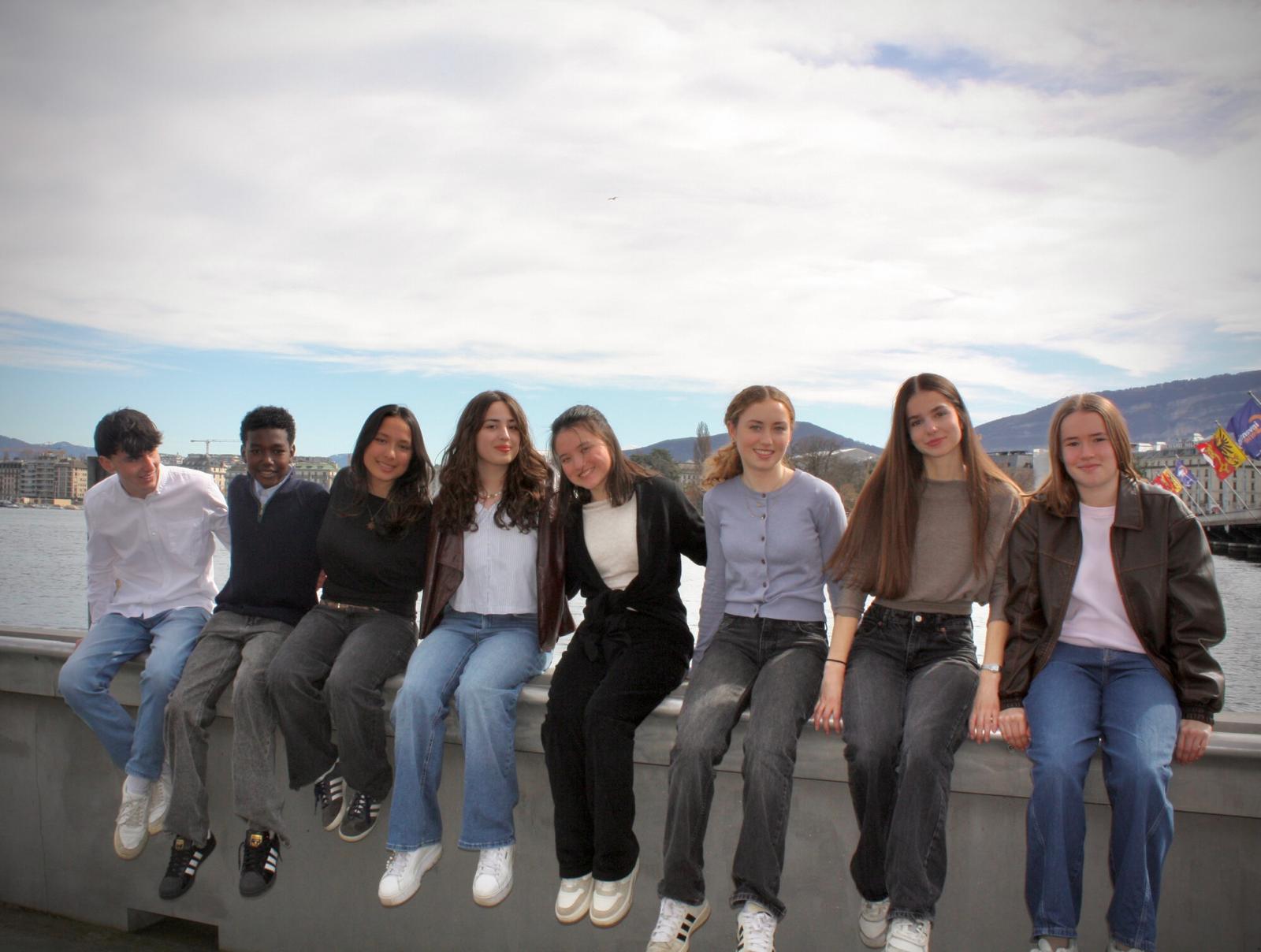
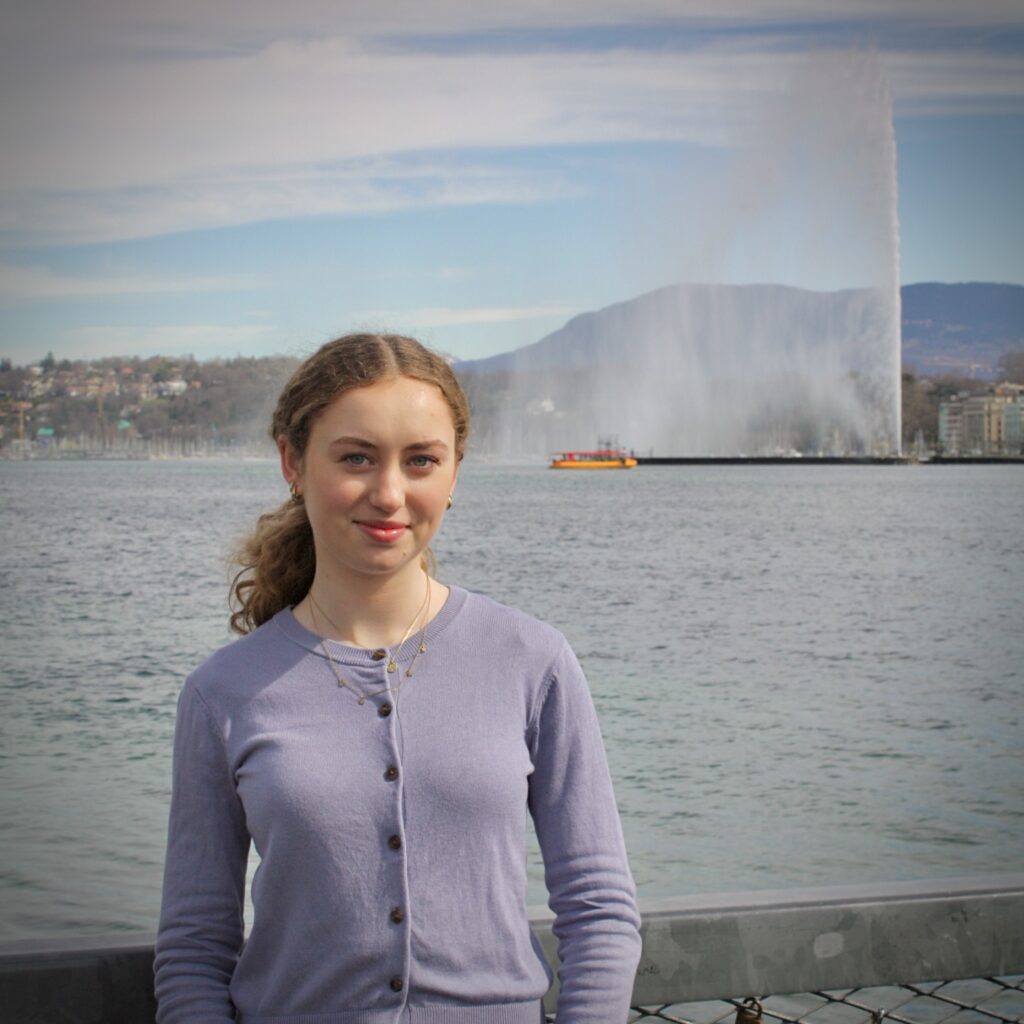
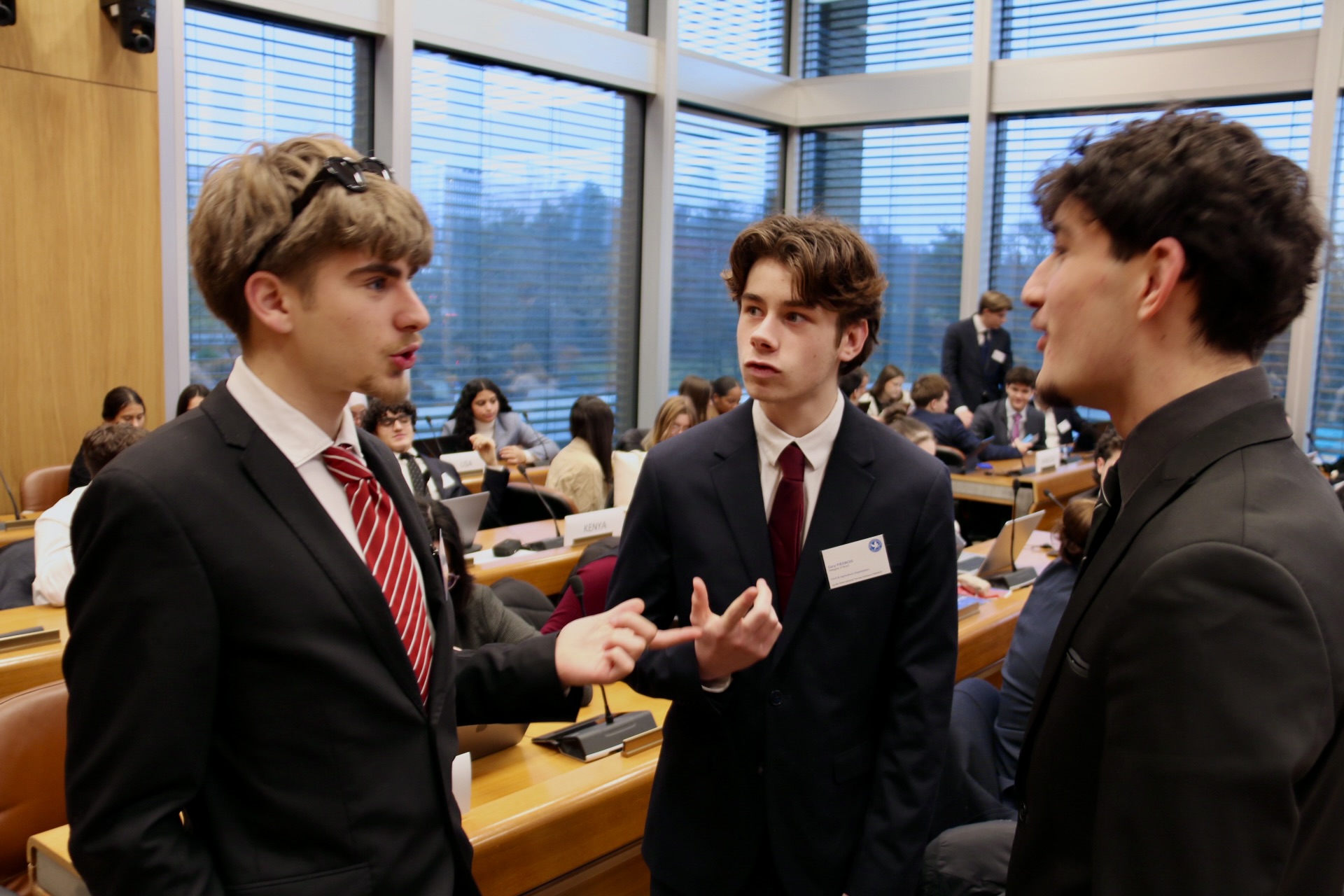
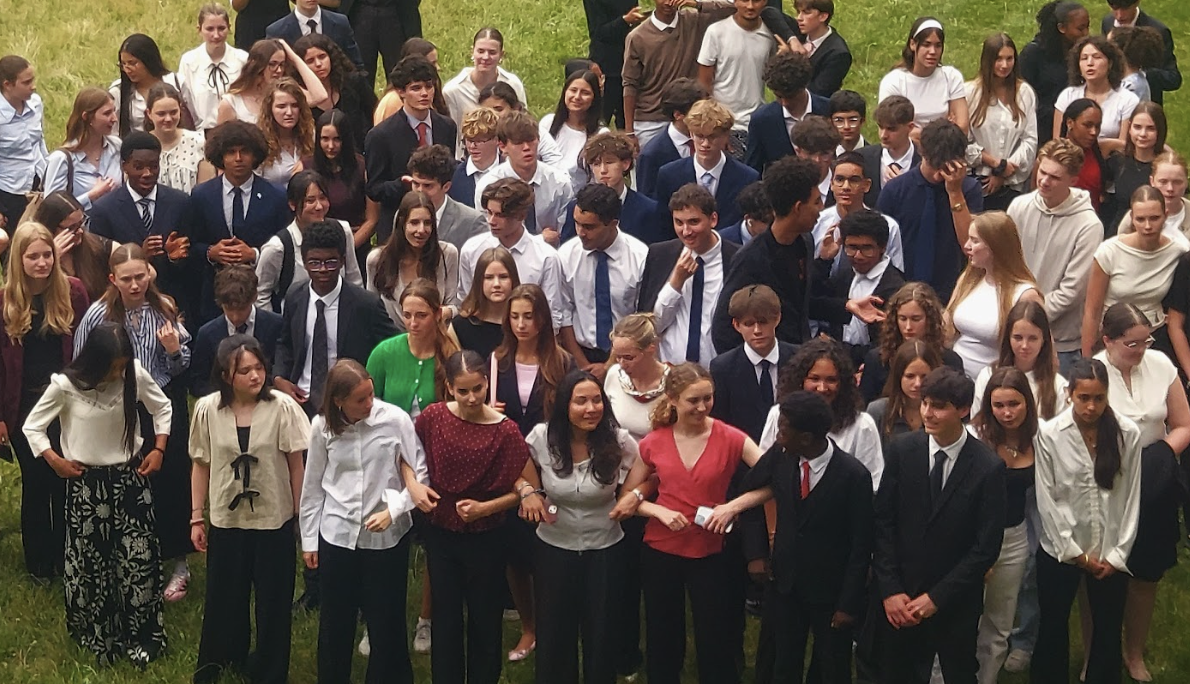
February 27th 2026 marks the unveiling of the new board for FerMUN 2027. The 8 students of this team have now been preparing the MockMUN alongside the MUN students for almost three months, and it is about time to get to know more about them!

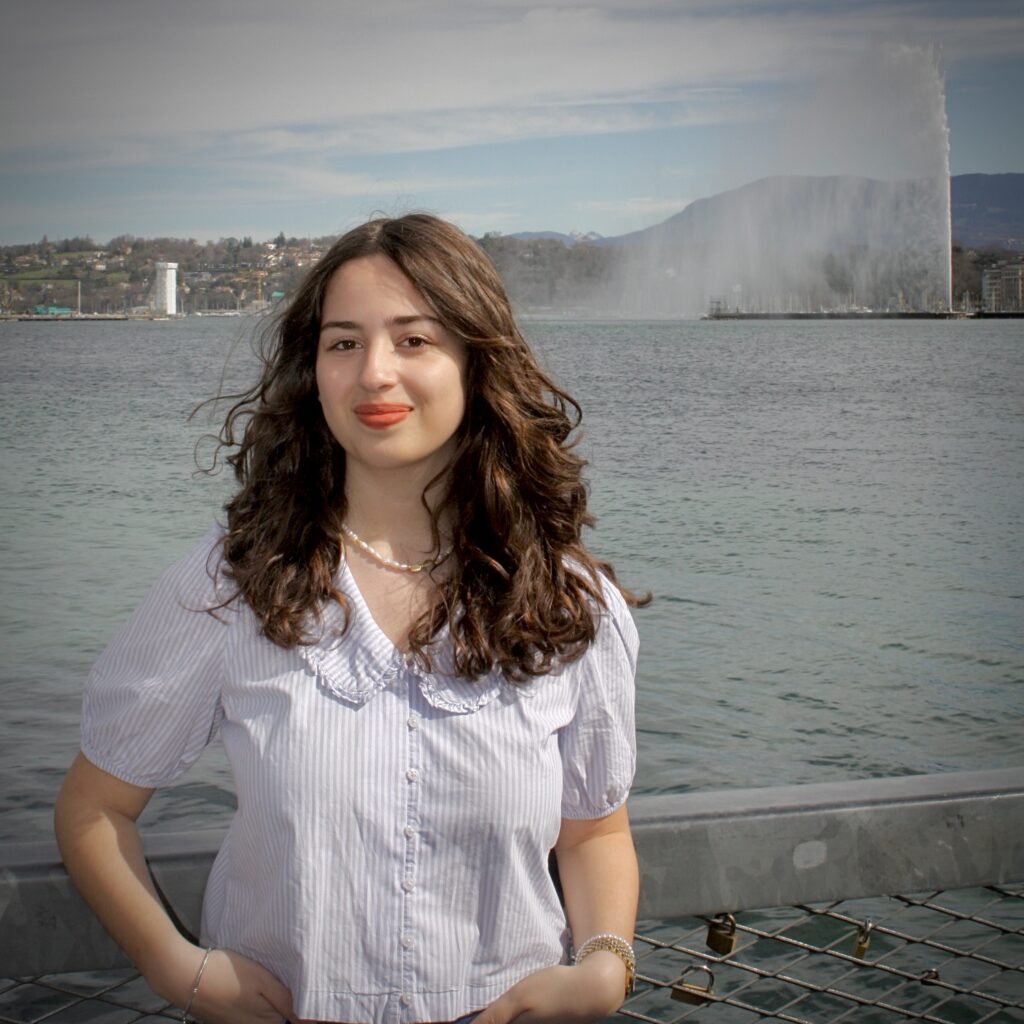
Clara Nguyen 

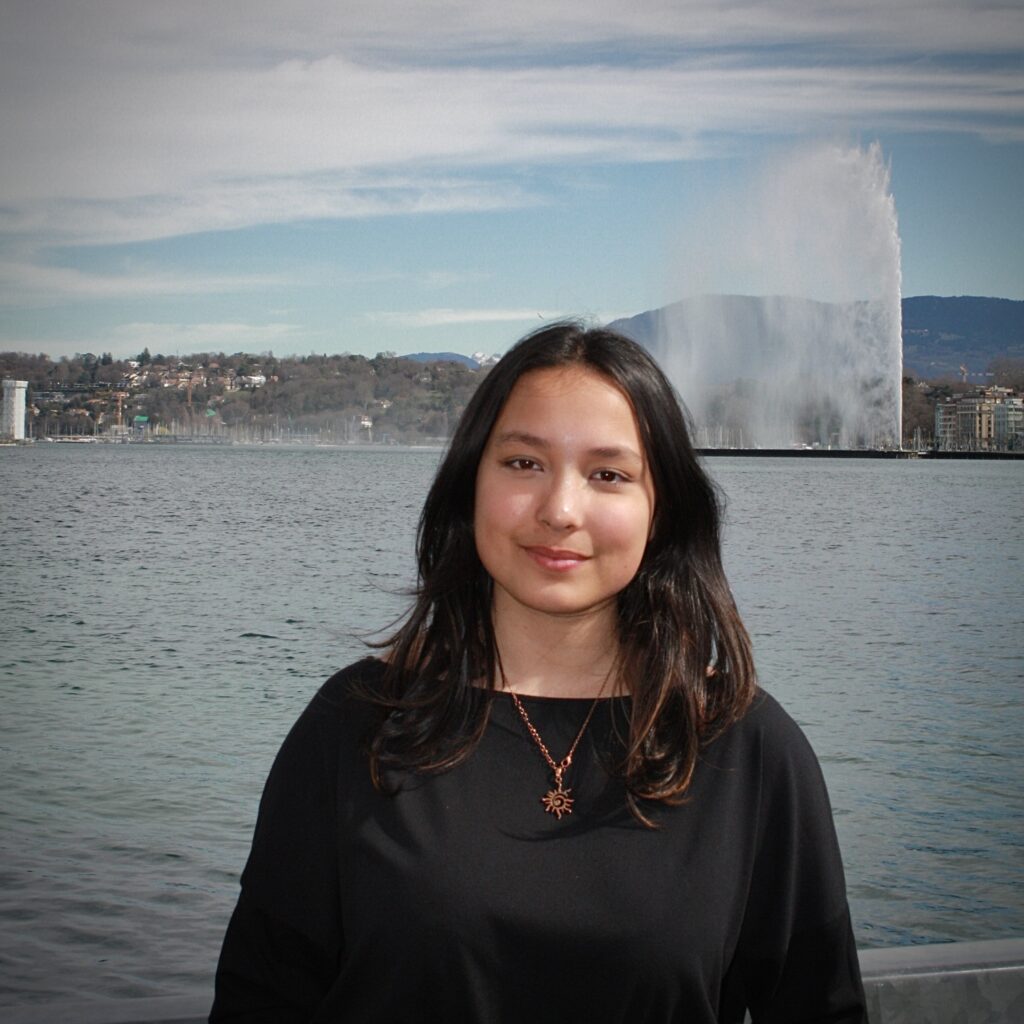
As the new leader and face of our conference, Clara Nguyen takes on the role of Secretary-General for FerMUN 2027. Alongside her academic studies, Clara is interested in creative activities—piano, singing, photography, writing… Her deep interest in MUN took root during her experience as president: “I’ve never learned so much—about MUN, about myself, and about teamwork.” The closing ceremony, the result of months of effort, hard work, and preparation, is her fondest memory. Clara’s goal: a fun and productive conference, but above all, rewarding teamwork over the next nine months. 

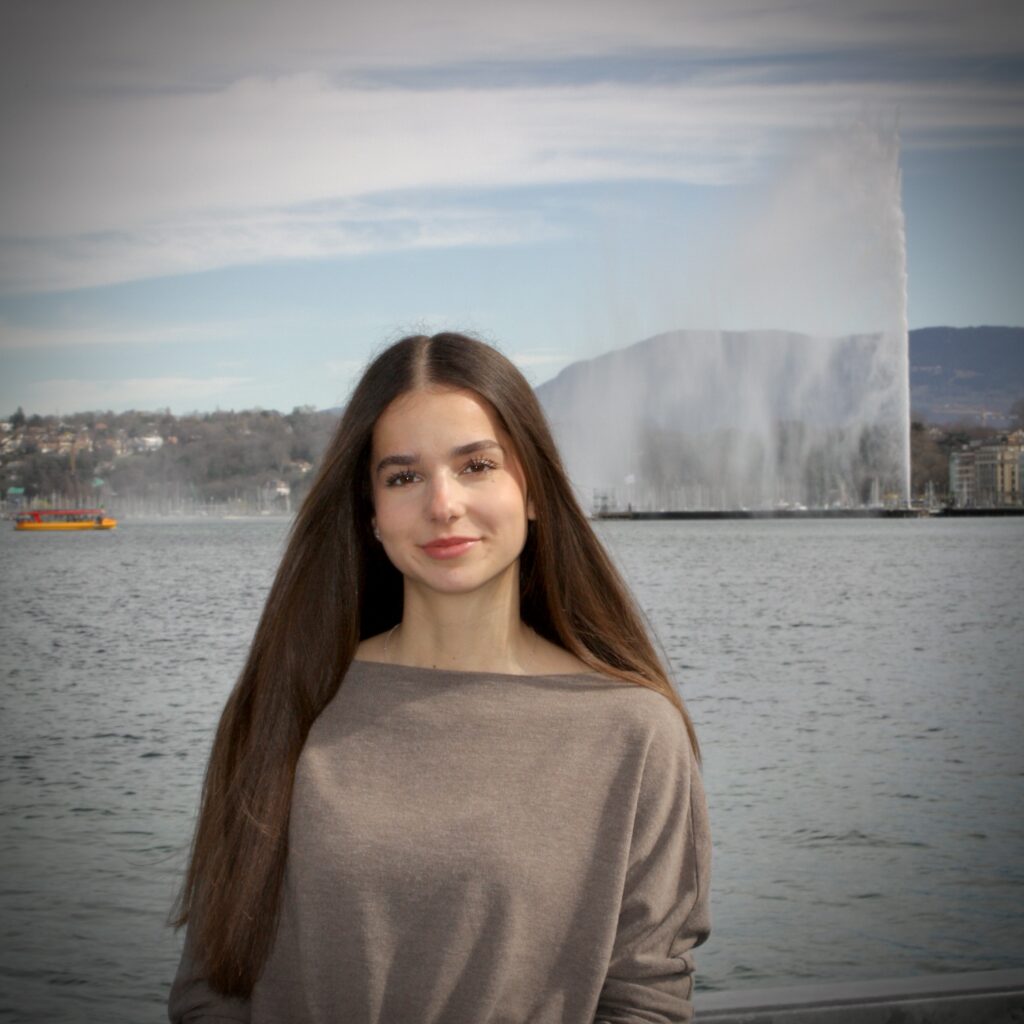
Hanaë Schwebel

From logistics admin to committee chair, Hanaë Schwebel is now taking on the role of Deputy Secretary-General in charge of the chairs. Curious and open-minded, she enjoys listening to music, reading, swimming, and spending time with family and friends. She plans to pursue studies in finance or pharmacy in the future. Motivated by a desire to pass on her knowledge, Hanaë now wishes to get more involved by supporting new MUNers. For FerMUN 2027, she aspires to become a true mentor, there to guide, advise, and encourage this future team of chairs. 

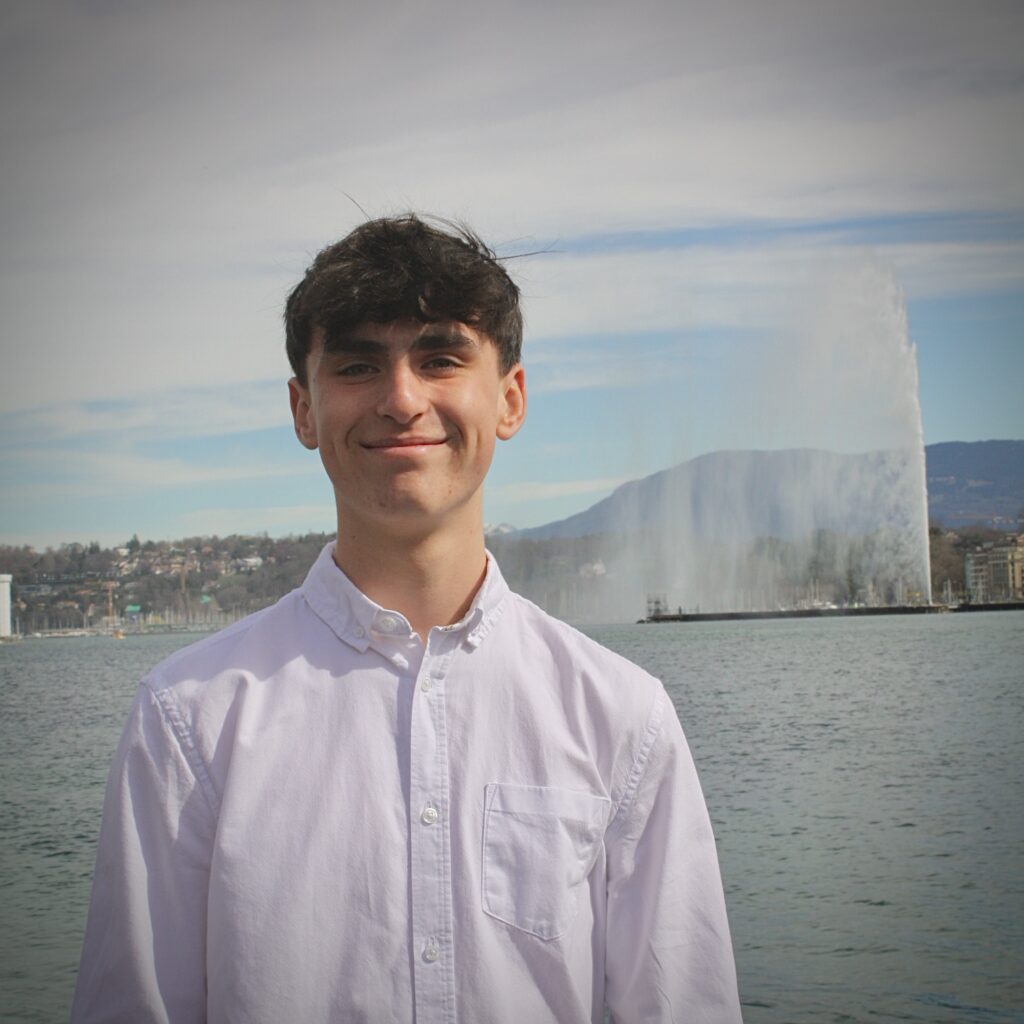
Sekou-Cissé Gouro

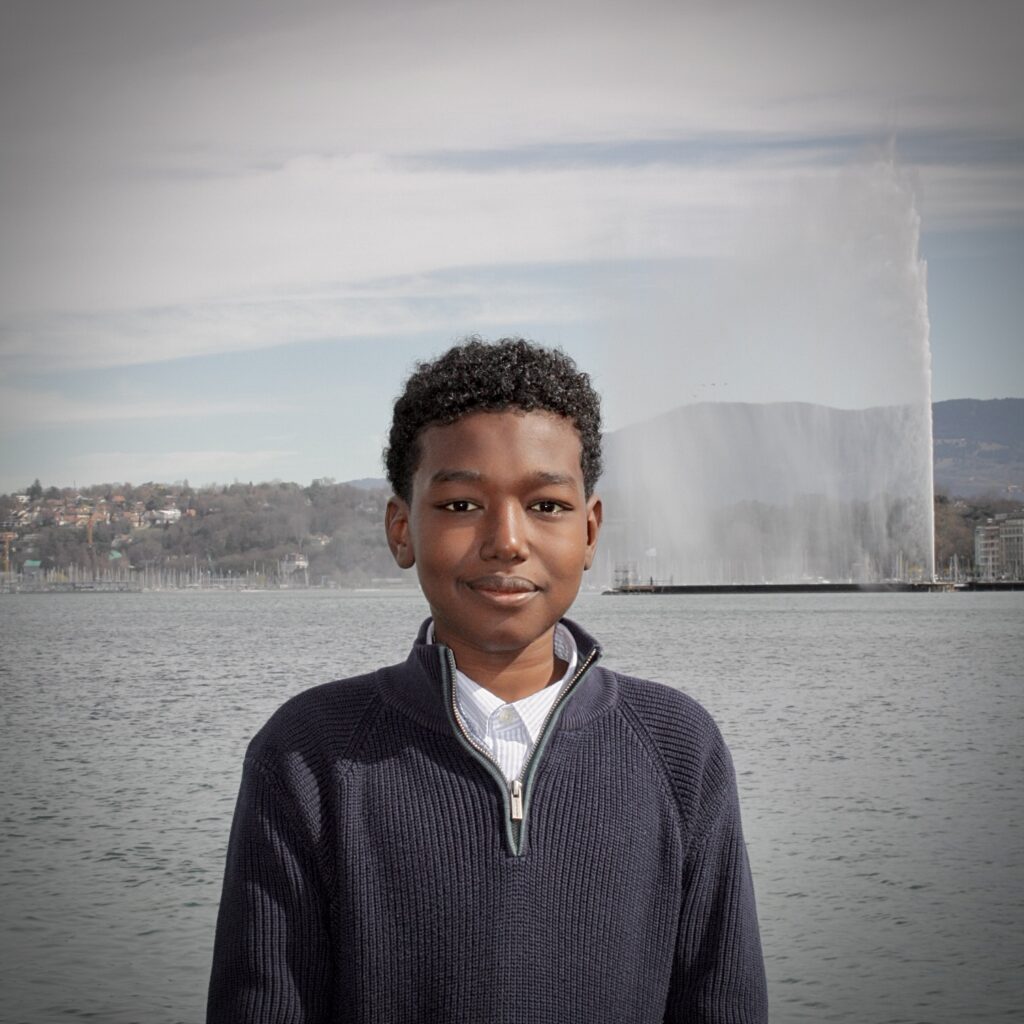
Sekou-Cissé Gouro began his journey as an admin. Today, he is the Deputy Secretary-General in charge of delegates. Inspired by the success and unity of last year’s board, he is committed to making the next edition of FerMUN unforgettable. Sekou is passionate about travel and science. Following his MUN journey, where he discovered the world of diplomacy, Sekou will likely pursue a career in aerospace or medicine, with a particular interest in AI. 

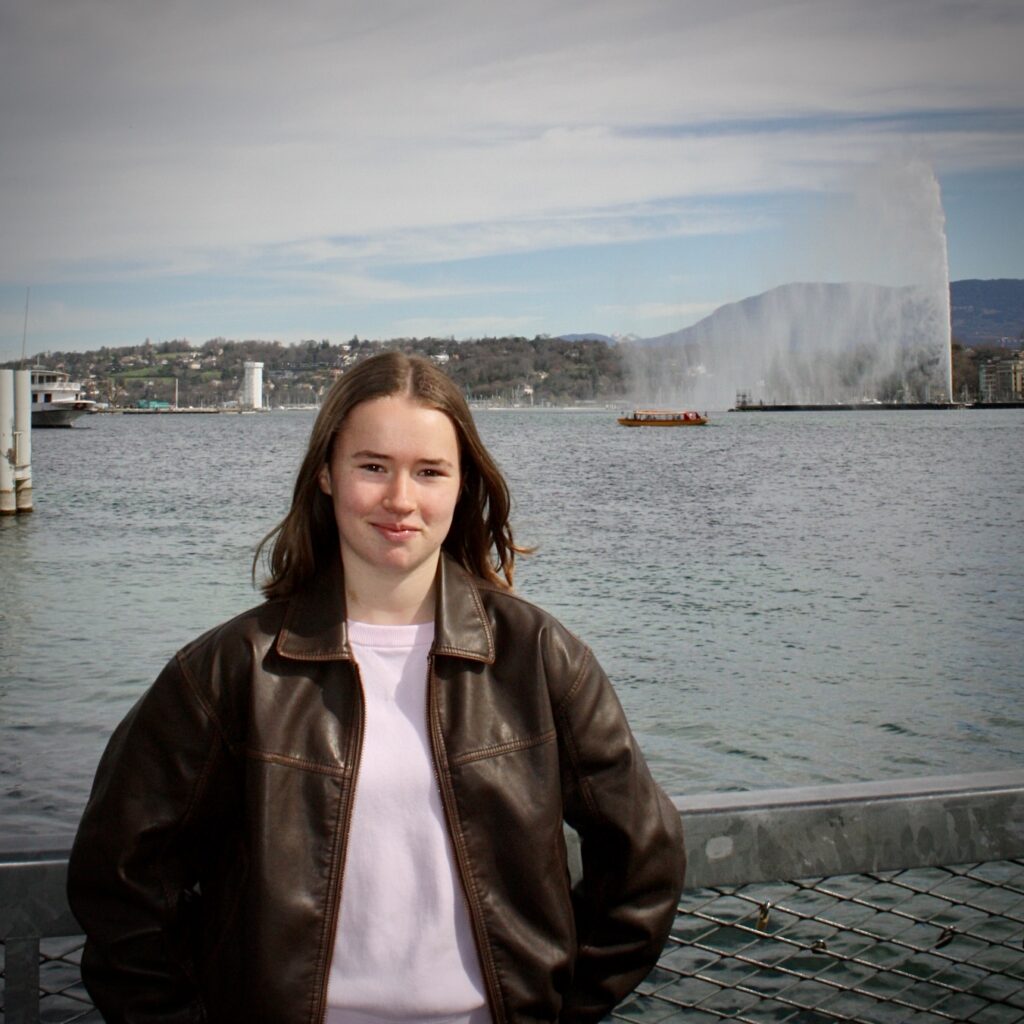
Hélène Khukhunaishvili

Hélène Khukhunaishvili, press and communications officer, joined MUN because of her interest in international relations and journalism. In fact, it was the role of journalist within the MUN press corps that first really captured her heart. But beyond that, Hélène has a deep love for reading, writing, and the piano. She has been playing the instrument since she was 7, and her performance at the opening ceremony of FerMUN 2025 is one of her best memories of MUN.

Grégoire Oury

Grégoire Oury, admin in his sophomore year, is now taking on the responsibility of mentoring future admins for FerMUN 2027. As co-head of admins and the solidarity fund alongside Claire Beuchotte, his motivation for MUN stems from his interest in current events and debate, which he hopes to explore further alongside his passion for science. What motivates Grégoire to join the board is his “desire to engage in true teamwork and participate in a truly major project.” Beyond that, he wants to change the perception of the admin role—which is sometimes undervalued—by showing that it is essential, courageous, and just as memorable as the other roles. 

Claire Beuchotte

Claire Beuchotte is passionate about discovering new cultures, skiing, and traveling. She hopes to travel around the world one day. Arriving at FerMUN 2025 as an admin in her sophomore year with stars in her eyes, she admits to having felt lost at the start of her journey. Thanks to the people who supported and encouraged her, she gained self-confidence and is now Head of Administration and the Solidarity Fund, alongside Grégoire. For Claire, the Solidarity Fund is an essential pillar of FerMUN, helping to break down financial barriers to make our conference accessible to everyone.

Johanna Hayes

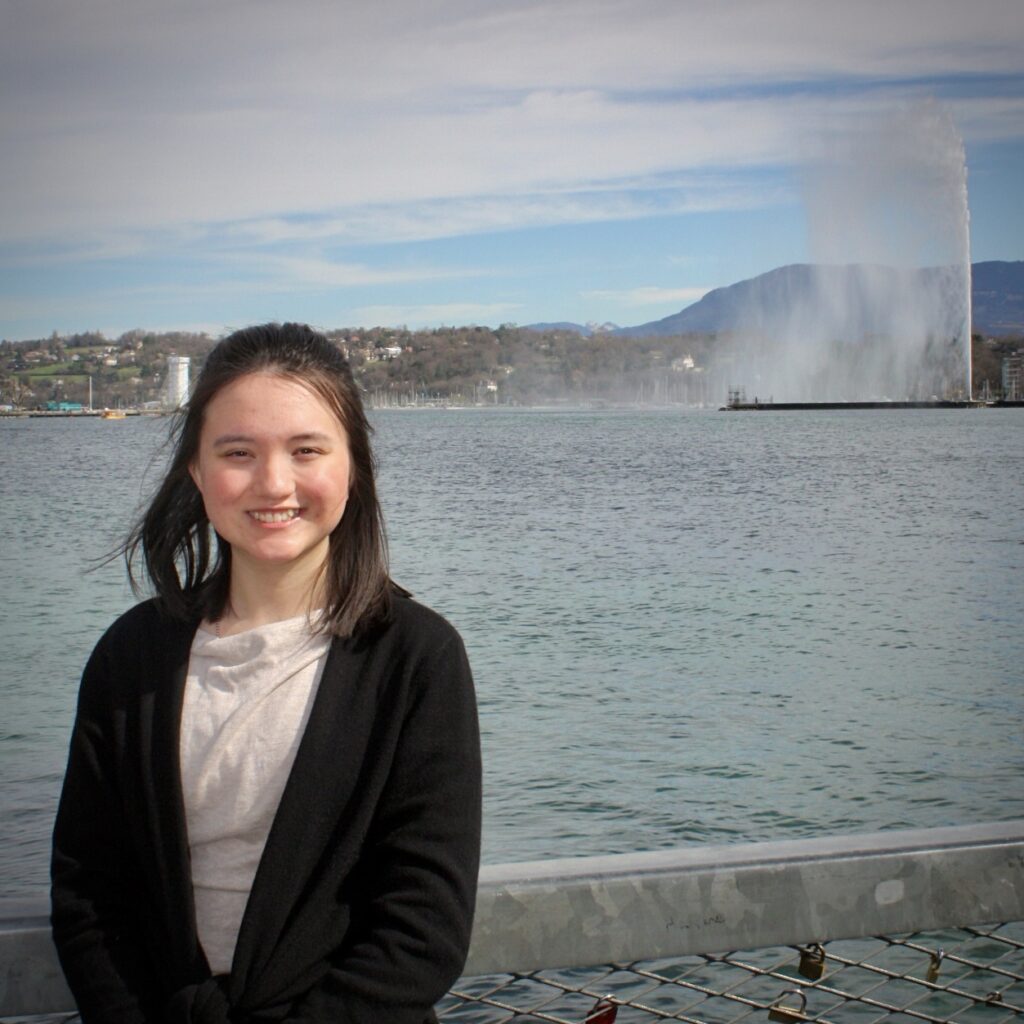
Johanna Hayes, the new head of interpretation, is also an athlete—with a particular interest in soccer since she was 6—and a cook, loving to try out new recipes in her free time. Motivated by her friends to join MUN, she has been an interpreter since the very beginning, which allowed her to thrive. This year, she hopes that every interpreter can find their footing in this role, just as she was able to. For Johanna, MUN truly became real, grand, and impressive during her first opening ceremony in 2025.

Madeleine Johansen

The new Translation Coordinator, Madeleine Johansen is also a sports enthusiast, participating in track and field and skiing in the winter. Since she was very young, she has admired the prestigious place where her parents work: the United Nations. Wanting to discover how the UN works, she joined MUN as an office admin, a role that introduced her to the conference. She became a translator in her freshman year, when she realized that this role is what ensures the conference runs smoothly. As head of translation, she wants to ensure that everyone feels comfortable at MUN, regardless of the language they speak: “Cohesion is the key to a successful conference.”

FAO – When Nations Agree to Feed the World.

In Room III of the prestigious ILO buildings, the FAO Committee is in session. Discussions focus on efforts to limit the resistance of microorganisms to chemical inputs while preserving the productivity of agricultural operations.

Signs are raised, amendments flow, and cooperation continues, leading to the emergence of a single resolution. Countries are realizing that their visions converge toward the same goal. This resolution has a universal scope and strengthens food security and farmers’ incomes through the various UN branches. Moreover, it adopts an approach inspired by the One Health concept. Delegations are seeking sustainable alternatives while mitigating threats to food security. During the debates, the atmosphere is silent and expressions are serious. The clauses proposed by the 24 participating countries are scrutinized, and due to time constraints, voting procedures follow one another quickly. Time is pressing, so Cameroon, the resolution’s spokesperson, had to submit amendments in order to speak and convince the committee to vote in favor of the resolution.By late afternoon, the vote takes place in favor of this ambitious and clause-rich resolution, which is adopted by a large majority. This marks a strong and fitting conclusion to the final day of the conference!

Nomin SANJAAJAMTS – Kiara SADASEEVEN

At the WHO, Health Under Pressure: Ideologies, Resources, and Fault Lines

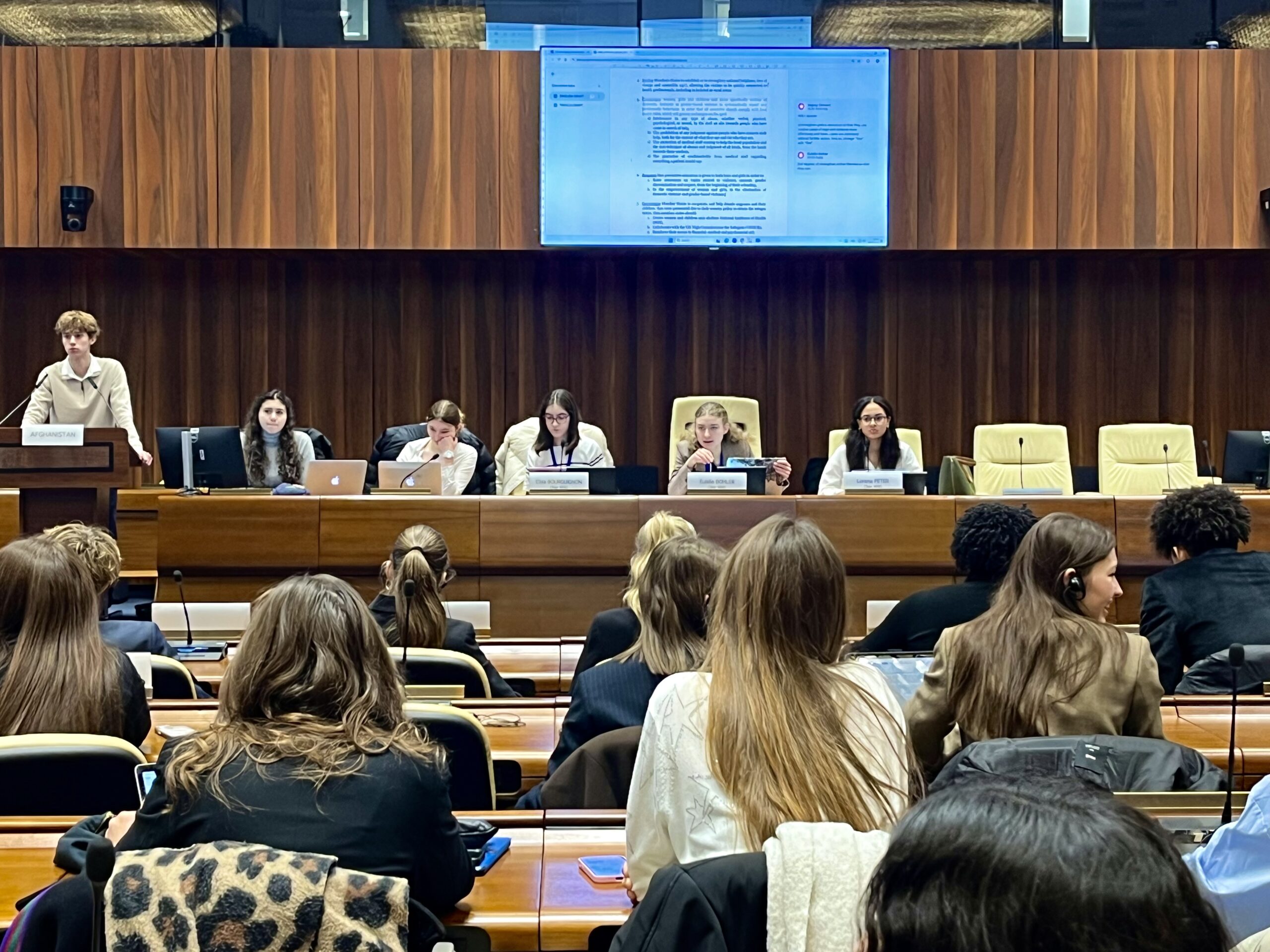
Today, the atmosphere was electric in the WHO Committee at FerMUN 2026. Between ideological disagreements and debates over resources, delegations fought passionately to define the future of health and the safety of individuals exposed to violence.

Afghanistan made a strong impression with a radical stance: according to them, money is not the problem. They even stated their desire to “replace resources with more protection.” For this delegation, only strict laws can guarantee women’s mental health.

Meanwhile, the Russian Federation and Nigeria warned against “police-phobia.” They argued that giving the police too much freedom creates disorder and scares victims, who then hesitate to report their attackers. Later, Romania highlighted a tragic reality: 90% of complaints are dismissed due to lack of evidence. However, their proposed amendment on the issue was rejected by the majority.

The debate then turned to how to provide healthcare to disadvantaged populations. Romania and Eswatini discussed the intervention of Médecins Sans Frontières (MSF). While the idea of an aid fund is appealing, many countries fear that relying solely on international assistance would create dependency. For these skeptical or resistant countries, the objective is clear: local health systems must be strengthened rather than relying exclusively on the WHO.

The breaking point came with India’s proposal to consider abortion as a mere hygiene and health procedure. Afghanistan deemed this perspective “definitely Western” and incompatible with their social and cultural realities. Nonetheless, Senegal and Sweden managed to pass a crucial amendment encouraging safe access to abortion and contraception in cases of sexual violence, aiming to prevent tragic deaths linked to sexual violence or unsafe practices.

At the end of the amendment session, Pakistan advocated for more inclusive language. Thanks to their intervention, supported by Romania, the final text now explicitly mentions orphans and war-affected children, along with all other children, who are often overlooked compared to migrants or children with disabilities.

Yasmine Akkabi

Artificial Intelligence: An Ethical Dilemma

January 9, 2026, the final morning of FerMUN. In Room XI, delegates of the Artificial Intelligence Committee debate two main topics: the protection of digital workers and the regulation of AI for social justice. The AI Committee is one of the most divided, with groups of delegates opposing one another at every turn. How did this come about?

Some Barriers Remain Insurmountable
Between speeches, motions, and points of order, a clear divide between countries emerges in the room. While alliances form and connections develop, some barriers seem insurmountable. Sweden’s resolution was supported primarily by developing or underdeveloped countries, while Spain’s resolution opposes it, citing the presence of many wealthy nations among the co-signatories. The reason? Developed countries have already appropriated AI to increase wealth, giving them a more innovative vision and a focus on optimizing this strategic tool. In Sweden’s resolution, the same tool is seen as a systematic risk to employment that must be strictly regulated. One resolution prioritizes social protection, while the other aims for a labor market transition. Although these visions appear complementary, delegates struggled to find common ground. Debates erupted, clauses were discussed, and amendments were passed. At the heart of tensions, the Spanish government stood out with heated exchanges with other countries. Whether Germany or the United Kingdom, any country that voiced an opinion faced Spain’s sharp criticism. Countries remained isolated; the only solidarity was among co-signatories.

A Social Divide
The assembly is visibly split, creating a social divide. The first resolution debated, led by Sweden, is supported by all worker representatives. The difference between workers’ priorities and those of governments and employers is stark. Sweden’s resolution appears to focus on combating discrimination, addressing social tensions, and providing support to populations marginalized or harmed by AI. In contrast, Spain’s employer-backed resolution, supported by governments and employers, emphasizes innovation and digital progress on a global scale. Each group prioritizes its own interests. “Profit is not the primary goal of our society; we must think about ourselves,” noted the Saudi worker. But what does he mean by “ourselves”? Aren’t employers also thinking about themselves? India, speaking against Sweden’s resolution, also mentioned a “slowdown in formal job creation.”

This divide is evident not only during the vote but also in fiery debates, with the Saudi worker referencing the “employers’ thirst for technological progress.” There was even a motion of censure from Spain’s employer representative against the UK worker.

Reflections on the Divide
The divisions within the AI Committee prompt several questions: Can workers be considered obstacles to innovation, productivity, or modernization? Are employers and governments being selfish by not prioritizing workers’ rights? How can AI be presented as a tool for progress, aid, and innovation when it poses a threat to a large portion of the population? Sweden’s resolution ultimately passed, but narrowly: 37 in favor, 30 against. The fate of the second resolution remains undecided.

Hélène Khukhunaishvili & Dalanda Eden Diallo

From High School to International Relations: Théo’s Engaged Journey at FerMUN

A student at the school organizing FerMUN, Théo Gensin Sow plays a central role in this international diplomatic simulation. He represents the Brazilian delegation within the World Health Organization Committee, where he faces major global health challenges.

Théo, a junior at the Ferney-Voltaire International High School, is experiencing the last day of his third conference. He first became interested in MUN upon arriving at high school, as it aligned with his career aspirations in international relations. After completing his application and being selected as one of the school’s representatives, he worked hard during club hours on Wednesday afternoons.A year ago, Théo participated in his first conference organized by his own school, serving as a room admin in the ILO buildings. Motivated by this enriching experience, he applied to attend an international conference: MFINUE in Istanbul in December 2025, where he was selected as both delegate and ambassador. Returning to FerMUN, this experience helped him develop stronger public speaking skills, allowing him to better persuade other delegations. He now embodies the role of the Brazilian government in the WHO Committee.Théo’s feedback on the resolution debated is very positive; he believes it highlights numerous challenges that he is working to address effectively in collaboration with co-signatory delegations.This final day of FerMUN reinforced his desire to pursue a career in international relations. He wishes to thank the teachers at Ferney-Voltaire International High School and Mrs. Baudry for enabling him to live such an experience and make wonderful connections. His message to future delegates is one of hope: “Behind every future delegate are the solutions of tomorrow.”

Lalie Anquez

INFORMAL ECONOMY – Dorothea Schmidt-Klau: Reducing Inequalities by Listening to Those Who Work in the Shadows

In Room II of the ILO in Geneva, a heavy silence hangs over the room. Every delegate is hanging on the words of Dorothea Schmidt-Klau, Head of the Employment, Labour Markets, and Youth Service in the Department of Employment Policies. Her advice is crucial, highlighting aspects of the issue that delegates had previously underestimated.

It is currently 9:25 a.m., and the room has been silent for nearly an hour. Today, delegates must address a crucial question: how can abuses faced by home-based workers in the informal economy be countered? They need to draft a concrete and strong resolution to help solve this problem. This is where Ms. Schmidt-Klau intervenes: her goal is to ensure the resolution is comprehensive, realistic, and protective for these workers. Responding seriously to delegates’ questions, she encourages them to continue moving in the direction they have committed to.

Ms. Schmidt-Klau began by highlighting the excellent work carried out by the delegates, worthy of the UN infrastructures where they are seated, and where they embody the role of diplomats with seriousness and conviction. She reminded the delegations of the major role of women in the informal economy, while stressing the need to recognize the many skills that workers possess. She explained that “informal domestic workers are extremely skilled […] We are talking here, for example, about women who take care of our children, and I think we can all agree that if they were not skilled, it would be truly dramatic.”

She then deemed it essential to clarify a key point regarding the objective the delegates must achieve, emphasizing that “focusing on domestic workers means focusing on reducing inequalities.”

Ms. Schmidt-Klau concluded her remarks with crucial advice for the delegates: “We don’t want a dialogue about domestic workers, but with domestic workers.” She illustrated this by explaining that in her area of specialization—ageing societies—the ILO had voted on numerous measures to assist the elderly. But by speaking directly with those concerned, she discovered that their needs were different from what diplomats had anticipated. The aim is thus to promote inclusion and listening, values crucial to the ILO, to move toward a consensus that benefits and protects informal economy workers, particularly domestic workers.

Cyrielle Bouline – Elisa Develay

The Voices of Multilateralism: Meeting Two Delegates from the WHO Committee

A Delegate Driven by Passion
Passionate about debate, Fatou Guissé, who represents Romania today, joined MUN to embrace the challenge of international diplomacy. Although this is her first Model United Nations, she stands out for her strong confidence and ability to speak persuasively in the World Health Organization Committee. At FerMUN 2026, her favorite moment remains today’s debate, where she was finally able to defend her ideas with passion. For her, MUN allows a deeper understanding of the world, and she encourages everyone to step onto the stage to experience the incredible feeling of finally being heard.

The Voice of a MUN Specialist
Playing the role of Pakistan’s representative at the WHO, and driven by a passion for public speaking and geopolitics, Sam McMahon is participating in his fifth Model United Nations with FerMUN. He stands out for his immense self-confidence and meticulous preparation, feeling equally at ease addressing 600 people as he does a small committee of 30 delegates. Beyond mastering formal debates, he also values the social aspects of the experience, from the “FerMUN box” to the closing parties. Sam strongly encourages others to join the program, seeing MUN as the ideal friendly environment to develop public speaking skills essential for any future career.

Yasmine Akkabi

MULTLIATERALISM – Gender Equality in Global Institutions : Youth Voices Meet ILO Expertise

During the morning of the eighth of January, the committee of the Youth Assembly received the illustrious presence of Angelika Muller, the Head of the Official Relations and Correspondence Unit in charge of the International Labour Organization governance. They were able to hear the voice of experience on an extremely important issue in the current global context: gender equality in organizations such as ILO or the UN. During the debates, the delegates were able to discuss with Mrs. Muller, the different ways that the youth can be part of a process of change, to achieve gender equality and relate to multilateralism. 

An enriching interview with Mrs. Muller

During this exchange, we had the opportunity to understand what we can do to improve gender equality in organizations such as the UN or the ILO. In her words : “ At the ILO, we focus not only on the substance of gender equality, but also on monitoring participation. We prepare gender infographics for all ILO events to track, at all times, the percentage of men and women participating in international organizations and conferences. We have seen some progress, but in most cases, women’s participation still does not even reach 40%. Therefore, there is still a lot of progress to be done.” 

What stands out from this discussion ?

In conclusion, the debate with Mrs. Muller emphasized that achieving gender equality requires not only institutional reforms, but also the participation of young people. By promoting dialogue and inclusive policies, the Youth Assembly reaffirmed the role of the youth in advancing equality and contributing to a more fair and representative system. As future actors of multilateralism, young people are not only observers of this process, but key stakeholders in ensuring that equality becomes a standard rather than an objective still to be reached.

Ana Luisa Franzen and Leah Gonzalez 

FAO Committee: “Our common goal? Living in a sustainable world”

How can the rise in global food needs be addressed while respecting environmental limits and the imperatives of sustainability? This is the issue debated within the FAO Committee. On Thursday, January 8, in Room 3 of the ILO, delegations reached a fragile agreement following a lively debate over a resolution. An interview with the German delegation after the controversies that animated the committee.

FERMUN : What are the main differences that can be observed between the resolution you proposed and the one put forward by Russia?

German Delegation: Russia’s resolution focuses more on the economic aspect, favoring a less sustainable path. Ours is based on the sustainable development of new technologies and on environmental protection.

FERMUN : In your opinion, why was your resolution adopted?

Germany: It probably passed because we all share a common goal: living in a sustainable world. However, it passed by a very narrow margin: 12 votes in favor and 11 against, with 1 abstention.

FERMUN : Will this resolution suit everyone, including less developed countries?

Germany: Although we are aware that not all countries have the same means, the aim is to make it accessible to all. Our idea is to bring everyone together.

FERMUN : Is ecology the priority, or is it the economic growth of emerging countries?

Germany: We believe that both are important. Of course, we cannot ask less developed countries to fully adopt an ecological approach for now, as they do not have the necessary economic resources. It is up to us—the more developed countries—to help those in need. Continuing mass production and drawing on non-renewable resources will no longer be possible in 10 to 15 years.

Chloé Arnaud and Lilou Fréchet

WORKING CONDITIONS – A New Sports Tournament Coming Soon?

Starting at 9 a.m. on Friday, January 9, 2026, an open debate took place in the ILO’s Working Conditions Committee. Governments, employers, and workers from different delegations negotiated together. Anglophone, Francophone, and Hispanic representatives united to find a common agreement aimed at ensuring a stable professional career for elite athletes, including social protection, gender pay equality, career transition rights, and mental and physical health guarantees. In this trilingual committee, the Nigerian workers’ delegation stood out for its active participation on an issue close to its heart.

Here is their feedback when we had the chance to interview them:

FERMUN: Why do you think athletes’ working conditions are a current issue?

Nigerian Workers: It’s an issue because inequalities still persist today. Some countries don’t have the same opportunities to protect and promote their athletes due to slower development.

FERMUN: Can you briefly describe the solution you propose?

Nigerian Workers: Our solution is to create a sports tournament among emerging countries called TEC, with specific participation conditions. Participating countries would be required to follow laws protecting athletes.

FERMUN: Who are the main contributors to this project?

Nigerian Workers: China, the Russian Federation, and Saudi Arabia would finance and organize the tournament, but they would have no influence over the decisions made. This is crucial for countries that cannot self-fund. Their participation aims to promote economic growth, raise social awareness, and reduce gender inequalities.

FERMUN: What does this project bring to your delegation?

Nigerian Workers: We believe that Nigerian athletes will be highlighted, which can improve the sports sector, especially by promoting female athletes. We hope our resolution will pass!

Chloé Arnaud & Lilou Fréchet