MockMUN 2026: A Day of Preparation for FerMUN 2027

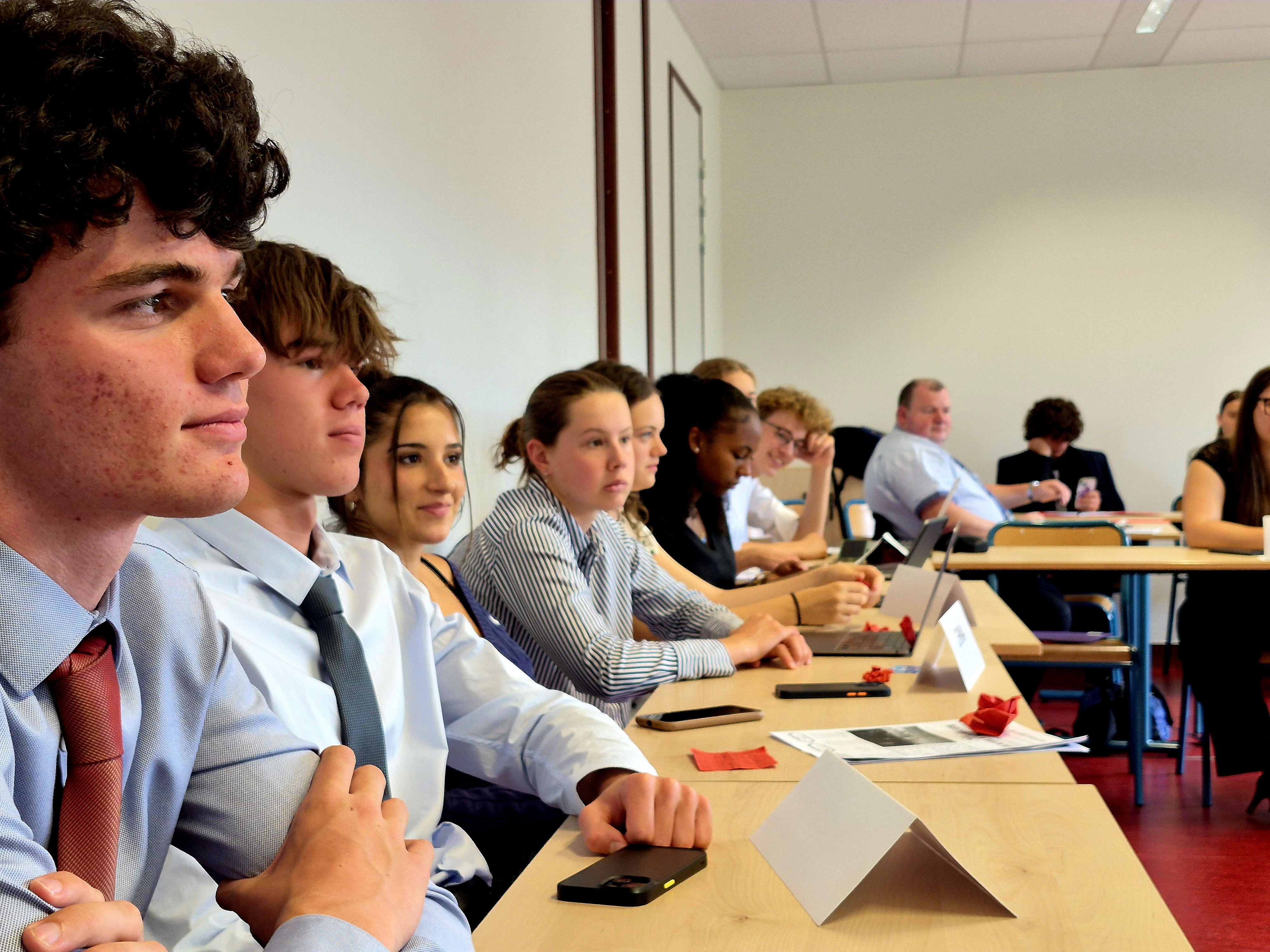
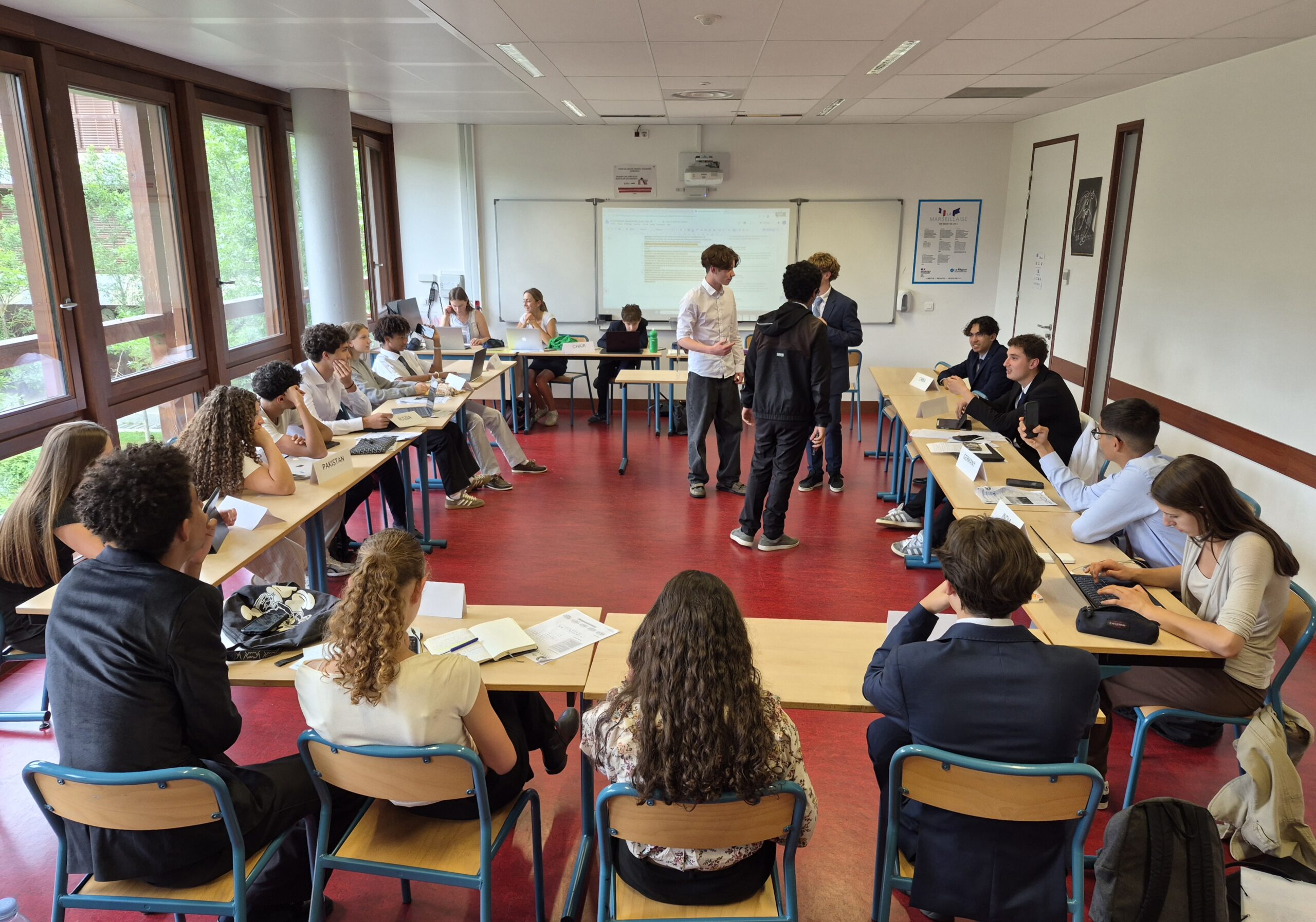
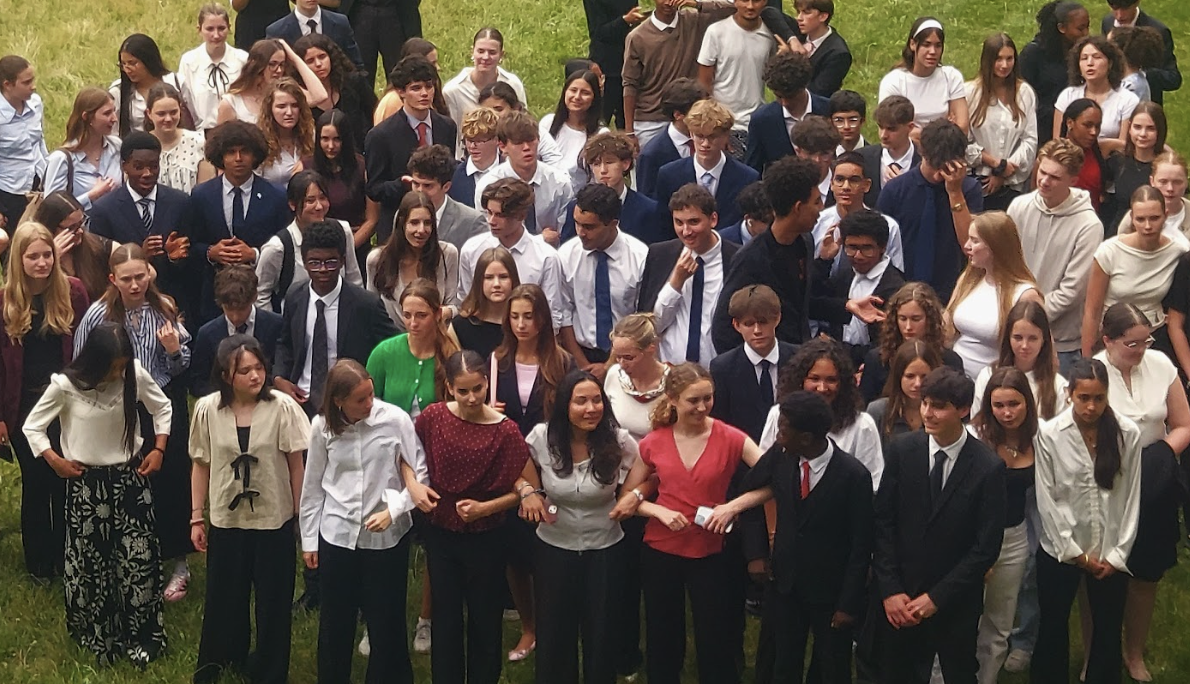
On Monday, June 8, 2026, with the baccalaureate exams fast approaching, the Saint‑Genis‑Pouilly International High School transformed into a real‑life NGO to host nearly 200 students preparing for the FerMUN 2027 conference. Through debates, amendments, and resolutions, the students worked together to find compromises and solutions to various problems. In an increasingly complex society and in the face of tense current events, the theme of freedom is often set aside to prioritize collective security, even if it means upsetting the public by taking away their independence. This tension is now being debated and discussed in the various committees from different perspectives. Their work on numerous compromises serves as serious preparation for the upcoming FerMUN 2027 conference.

LGBTQIA+ rights versus cultural traditions and norms

While fundamental rights are still being debated—particularly the right to freedom for the LGBTQIA+ community—many member states remain strongly opposed to this demand; Tunisia is a case in point. This reluctance remains highly problematic in the eyes of countries that defend these rights, notably Germany, but progress is being observed in countries such as Brazil and South Africa. Despite their strong ideological differences in the past, movements in favor of these rights are growing in number, leading to real change.

Individual freedom regarding euthanasia versus collective responsibility

While the possibility of assisted dying is debated, the issue nevertheless raises ethical dilemmas. Since death is still considered a taboo subject, the question of assisted suicide remains highly contentious; should individual freedom be prioritized, or collective responsibility? Many countries, such as Colombia, Switzerland, and New Zealand, oppose the concept of medically assisted dying.

Spy regulations under scrutiny

Within the committee focused on espionage, the line between security, respect for sovereignty, and freedom is still being debated. New technologies are considered more dangerous today, with cybersecurity and cyberattacks providing access to supposedly private files that can endanger nations and sometimes an entire continent. Among delegations, peace is a major point of disagreement, and the regulation of espionage is being called into question.

Nuclear Weapons: Between Threat, Peace, and Risk

In Committee 4, focused on nuclear weapons, the possibility of nuclear disarmament is one of the major issues. The United States is difficult to convince because nuclear weapons are one of its main advantages, and deterrence is one of its primary assets that allows the country to maintain peace. Alliances provide protection for smaller countries, but there is a line that must not be crossed: the use of nuclear weapons for one’s own country in the midst of a war. For now, fortunately, that line has not been crossed. This weapon therefore maintains peace as long as it is used for persuasive purposes and not against an enemy country.

In the end, this MockMUN day wrapped up on a high note, with a positive atmosphere. “It’s a great experience for building self‑confidence; you get to try out things you might not have tried before, and you meet new people you wouldn’t have spoken to otherwise.” We hope the FerMUN 2027 conference will have just as positive an impact. Thank you to all the participants for this wonderful day.

Malhia Vialle Faundez & Liv Bruckert‑Gagneu
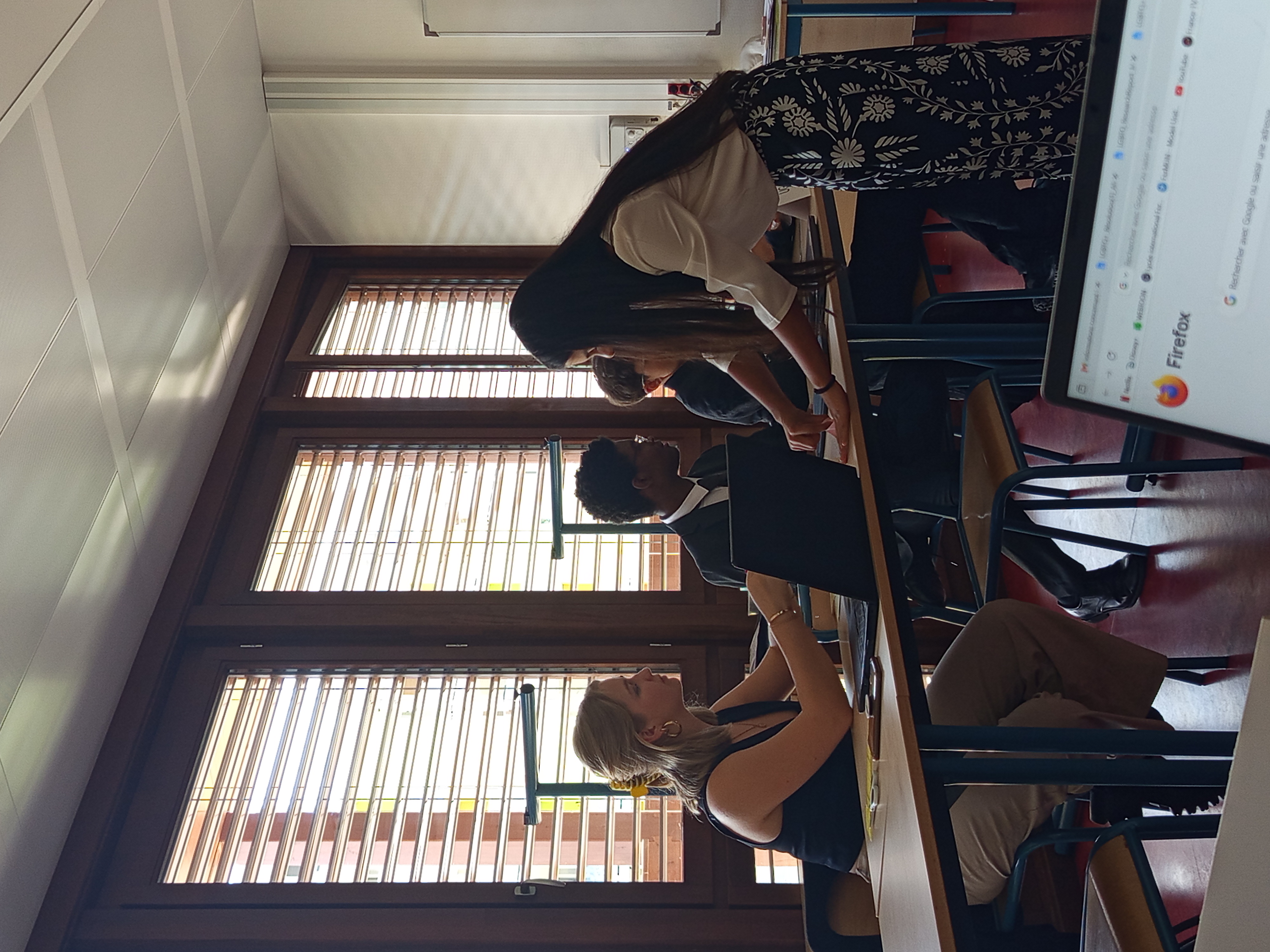
LGBTQ+ Committee: Germany Ready to Do Whatever It Takes to Defend Itself

For centuries, members of the LGBTQ+ community have been subjected to discrimination, violence and even criminalisation across the globe. While significant progress has been made in recent decades, the situation remains alarming in other parts of the world, where homosexuality can still be punishable by death. While the Universal Declaration of Human Rights proclaims the equality of all individuals without distinction, it is clear that this equality is far from a reality for millions of LGBTQ+ people. The delegates of the committee on LGBTQ+ rights have therefore set themselves the task of finding common ground in order to identify global solutions to this discrimination.

A first progressive resolution

Backed by South Africa, Argentina, Brazil and Canada, Germany introduced a resolution calling for stronger international action to protect LGBTQ+ people from discrimination and criminalisation. The coalition argues that the rights of LGBTQ+ people are universal human rights and that the United Nations has a responsibility to ensure that these rights are respected worldwide. The resolution aims to strengthen the UN’s monitoring of violence and abuse against LGBTQ+ people, to encourage countries to adopt anti-discrimination laws, and to guarantee equal access to employment, healthcare and housing. It also supports the granting of asylum to people persecuted on the grounds of their sexual orientation or gender identity, the promotion of inclusive educational programmes, the creation of safe spaces for young people in the LGBTQ+ community, and the repeal of laws that discriminate against these communities. Overall, the resolution presents a proactive, human rights-based approach, emphasising equality, inclusion and international cooperation to combat discrimination.

An ethical battle lost by Germany

Debates began despite the limited number of amendments. The issue of freedom of expression on social media and its influence on teenagers was briefly touched upon, with the Indian delegation arguing that the removal of certain discriminatory comments from posts could undermine individuals’ right to freedom of expression. Shortly afterwards, the Ugandan delegation engaged in a significant debate with the German delegation over a clause encouraging the strengthening of international monitoring of acts of violence and discrimination against members of the LGBTQ+ community: its main argument was that this measure might not respect certain cultures and might not be suited to the level of development of certain countries. The German delegation considered this amendment irrelevant as it was irrelevant and ran counter to the resolution’s main objective, which was to protect the LGBTQ+ community from discrimination, even though many cultures do not accept it. The amendment was adopted, with most of the delegations present siding with the Ugandan delegation.

Generally speaking, most of the countries in favour of this resolution clearly defended it, but the countries opposed to it tipped the vote, and the resolution was not adopted.

Renata Eva Skaburskas, Ludivine Hemakwa et Melissa Maina

Interstate Spying – Surprising Agreements in a Mixed Atmosphere

Room B107, during MockMUN 2026, was the scene of unlikely alliances and tense exchanges. When Iran and Israel form an alliance, questions inevitably arise, especially given the current geopolitical context. When it comes to regulating espionage between states while preserving national security, traditional positions can be unexpectedly overturned.

A surprising alliance given current geopolitical events

Israel and Iran drew particular attention by agreeing on the first resolution. Despite the geopolitical tensions between them, the two delegations found themselves working together, alongside Russia, China, and North Korea. All agreed on the need for greater flexibility in managing intelligence activities between states.

However, despite this temporary alignment, Iran remains in a more vulnerable position due to its conflict with Israel. This dynamic led to exchanges that were at times tense, even aggressive, between delegations that had nevertheless signed the same resolution.

A more relaxed atmosphere on the other side of the room

The second resolution, co‑sponsored by the United Kingdom, Germany, Brazil, the United States, and Switzerland, focuses more on security and the protection of civilians. It warns against the risks of insufficiently regulated state‑to‑state espionage and advocates for the adoption of stricter regulations. These countries, benefiting from a more stable geopolitical environment, approached the debates in a calmer atmosphere, which facilitated the review and adoption of amendments. This contrasted sharply with the tensions observed between delegations from countries in conflict, such as Iran and Israel.

At the conclusion of the debates, Room B107 demonstrated that diplomacy can sometimes give rise to unexpected alliances. Despite deep differences and persistent tensions, the delegations were able to defend their interests while seeking compromises, illustrating the complexity of international relations. This session nevertheless raises a question that goes beyond the scope of MockMUN: to what extent can states cooperate on common security issues when their geopolitical interests collide — a debate that remains highly relevant today.

Joana Watelet & Flore Gasser Husselstein

Tactical nuclear weapons: a reflection of a world that remains fractured?

June 8th, 2026, Saint-Genis-Pouilly – Delegates are engaged in fruitful discussions on the issue of nuclear weapons. Their goal is to find ways to prevent the chaotic escalation of the effects of tactical nuclear weapons in proxy conflicts. While the atmosphere in the room remains conducive to work, some fundamental disagreements are already emerging, pitting countries with starkly different ideologies against one another.

A geopolitical divide is taking shape

This clash of perspectives highlights a geopolitical divide—one that is certainly traditional, yet remains as complex as ever in the ongoing debates. On one side, a bloc led by Western powers and their allies is attempting to impose a strictly diplomatic approach, advocating for a rigorous legal framework to freeze the use of these technologies and mandate exclusively conventional defenses. On the other side, several emerging or independent nations express marked skepticism toward what they perceive as an attempt at a strategic freeze. For these delegations, overly restrictive international regulations risk limiting their freedom to make decisions regarding self-defense, leaving the field open to countries that already possess the largest traditional military arsenals on the planet.

Chemical Weapons vs. Nuclear Weapons

This theoretical disagreement quickly gave rise to very concrete debates over the amendments. The discussions focused in particular on the technical distinction between threats, specifically on the need to distinguish between the damage caused by chemical weapons and that caused by nuclear weapons. This discussion led the committee to question the legitimacy of a nuclear response to a non-conventional attack, with some countries advocating a second-order deterrence strategy, where the virtual threat becomes a defensive tool, while others called for precise and transparent implementation procedures. Despite these sticking points and several minutes of negotiations, a consensus was reached by a majority vote in favor of a proposal by the Russian delegation aimed at reducing the power of weapons and minimizing human casualties in the event of a crisis.

To look beyond the official statements made on the floor, three key delegations—Iran, Japan, and Russia—were interviewed to gather their impressions on how events have unfolded. Overall, these delegations believe that the positions of the various countries are fairly consistent, with the exception of certain delegations that hold more extreme views regarding nuclear weapons.

Overall, the ethical question surrounding nuclear weapons hinges on mindsets—which have remained traditional or have evolved over time depending on the country—and it is this complexity that makes this topic such a thought-provoking one.

Amaya Cutimbo, Marek Petras & Margaux Cleary

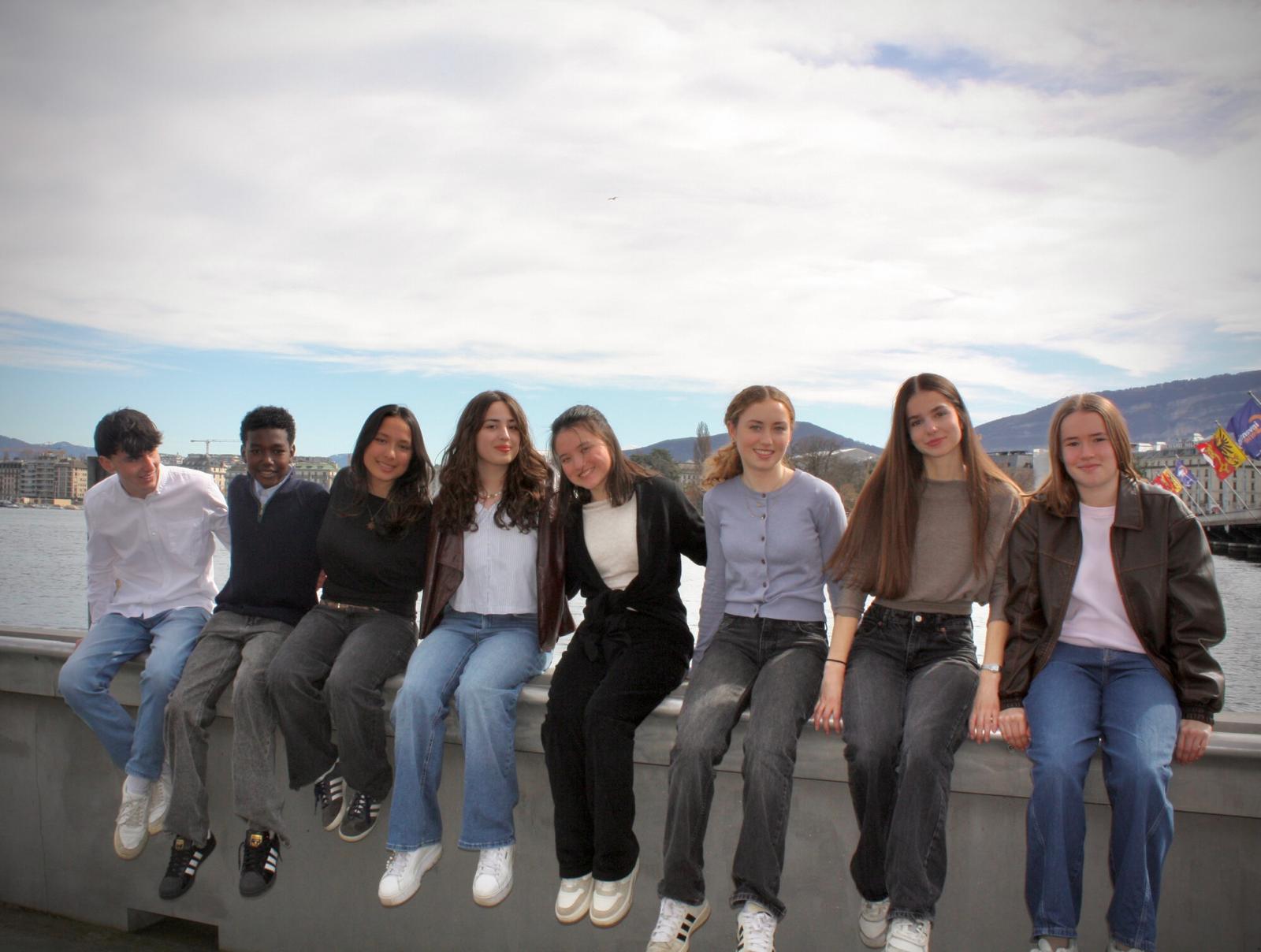
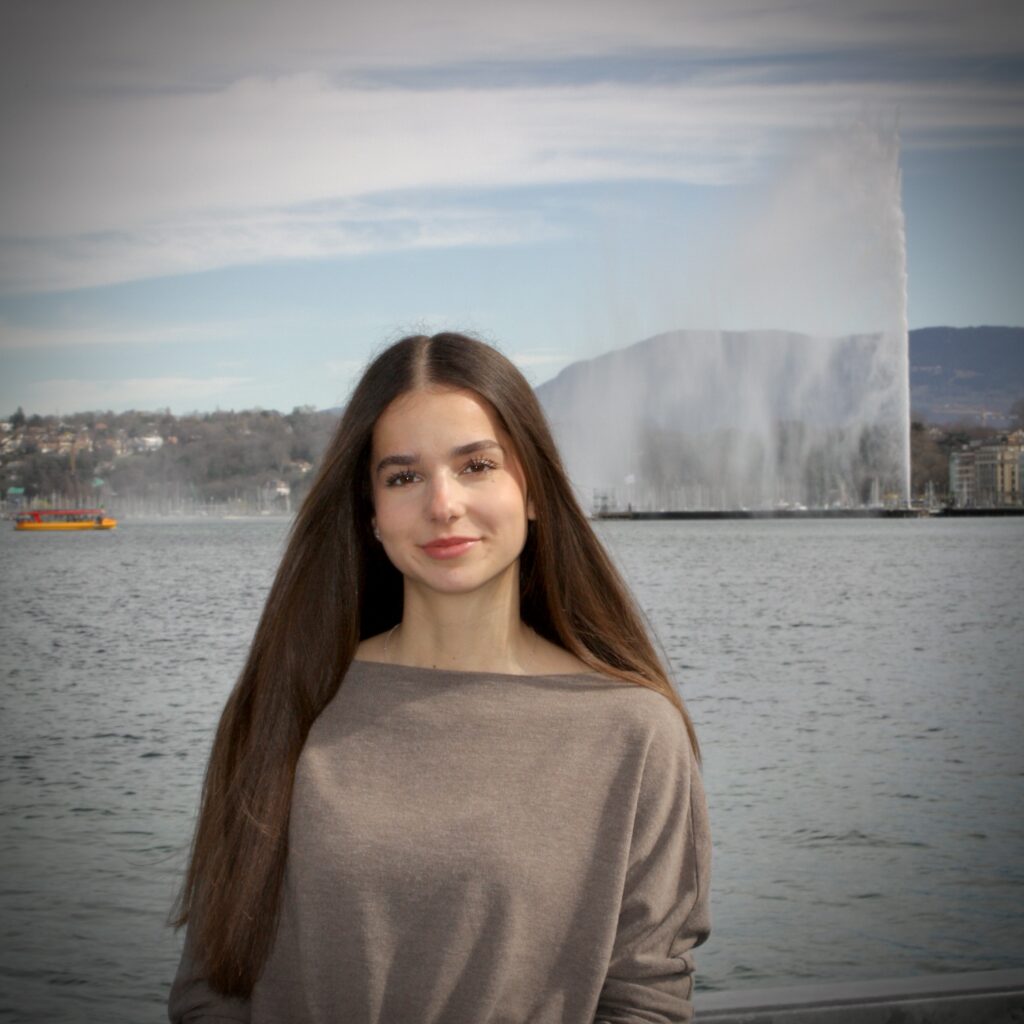
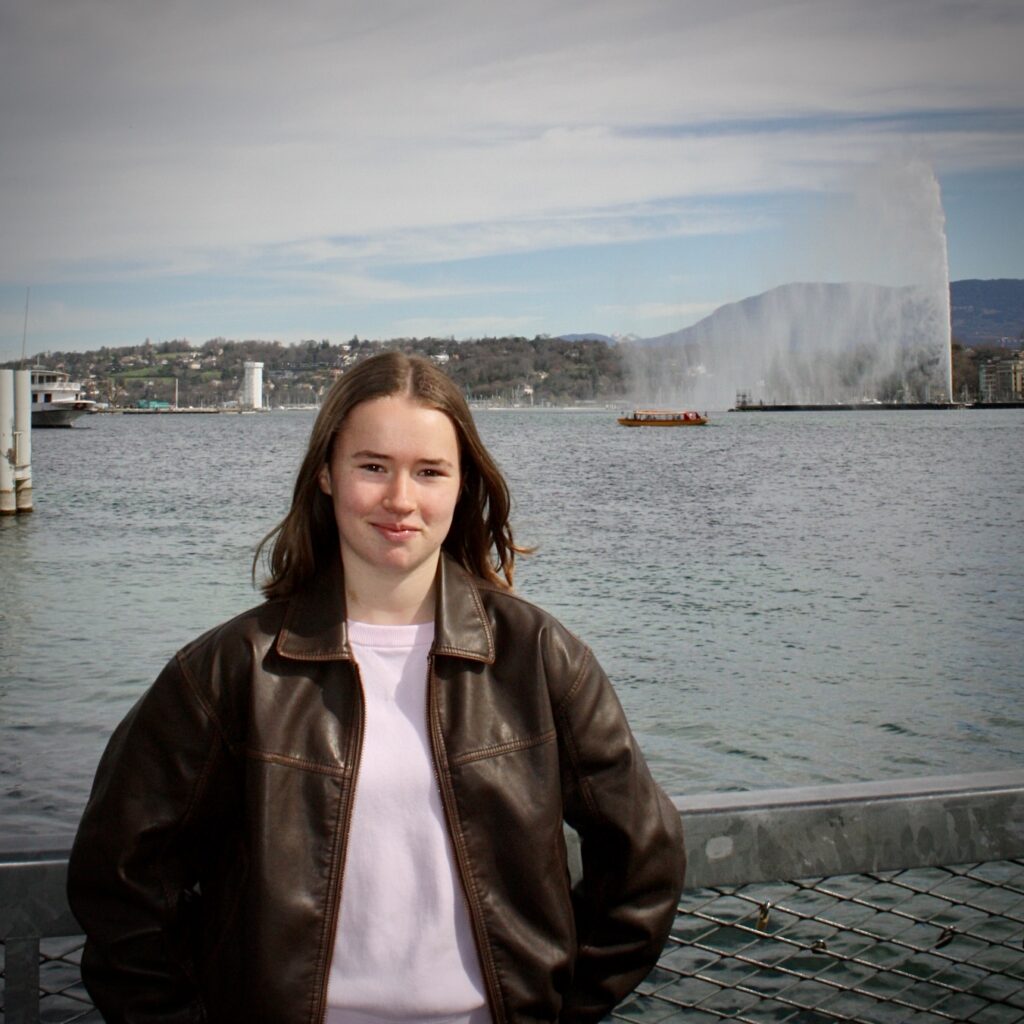
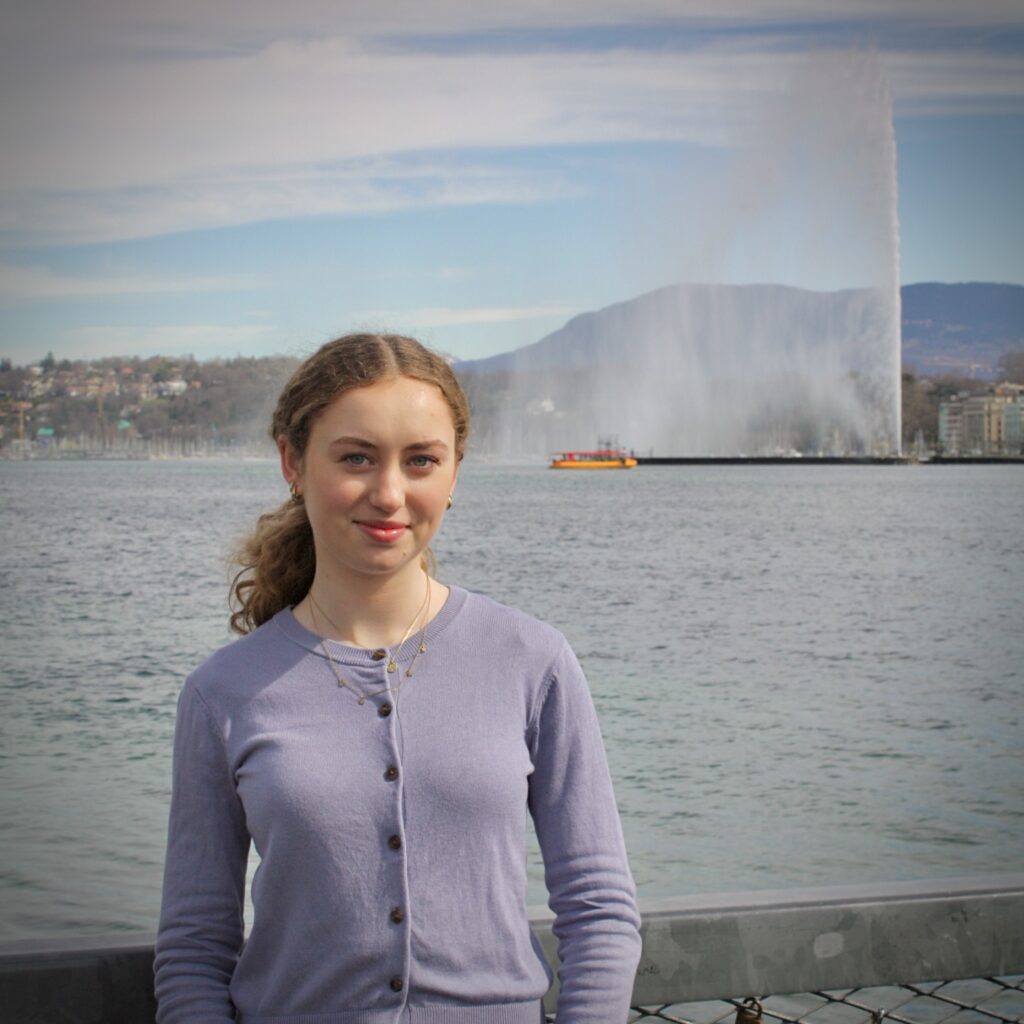
Get to know your 2027 board!

February 27th 2026 marks the unveiling of the new board for FerMUN 2027. The 8 students of this team have now been preparing the MockMUN alongside the MUN students for almost three months, and it is about time to get to know more about them!

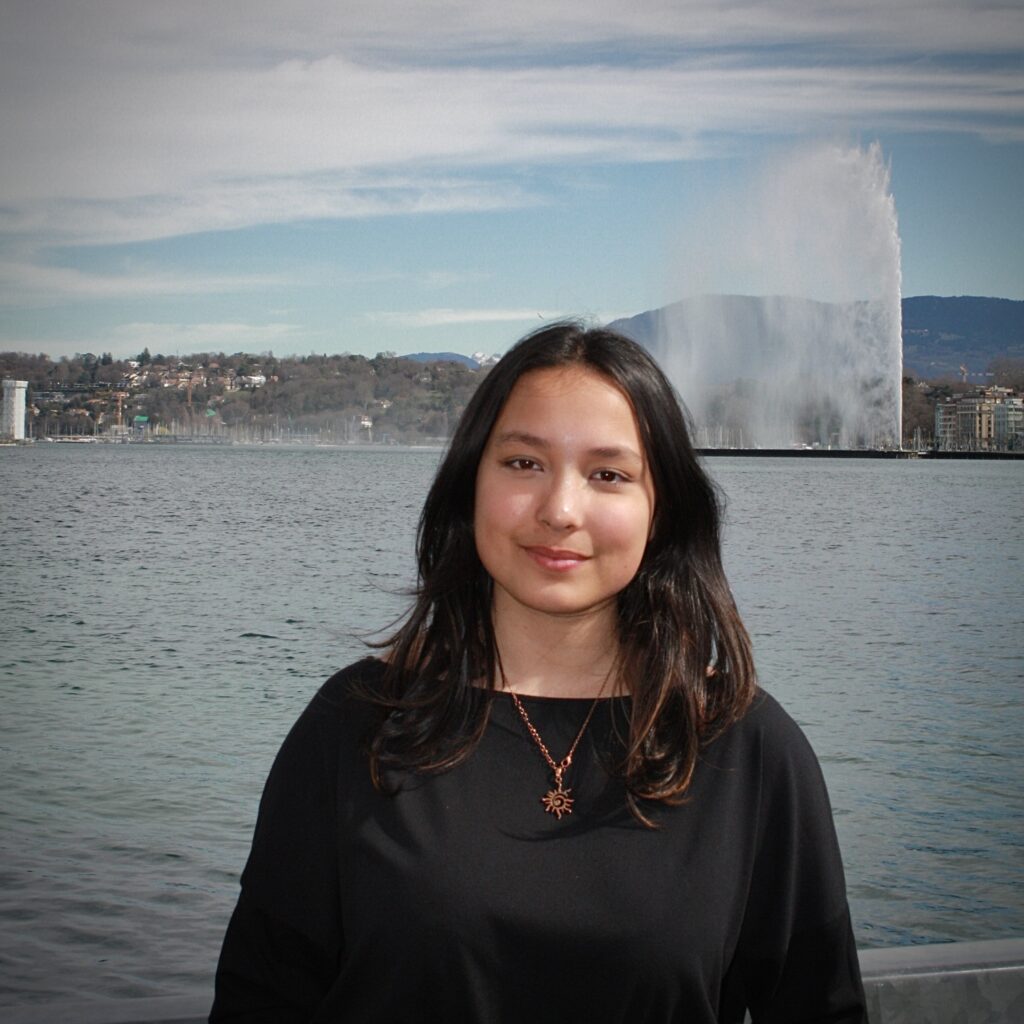
Clara Nguyen 

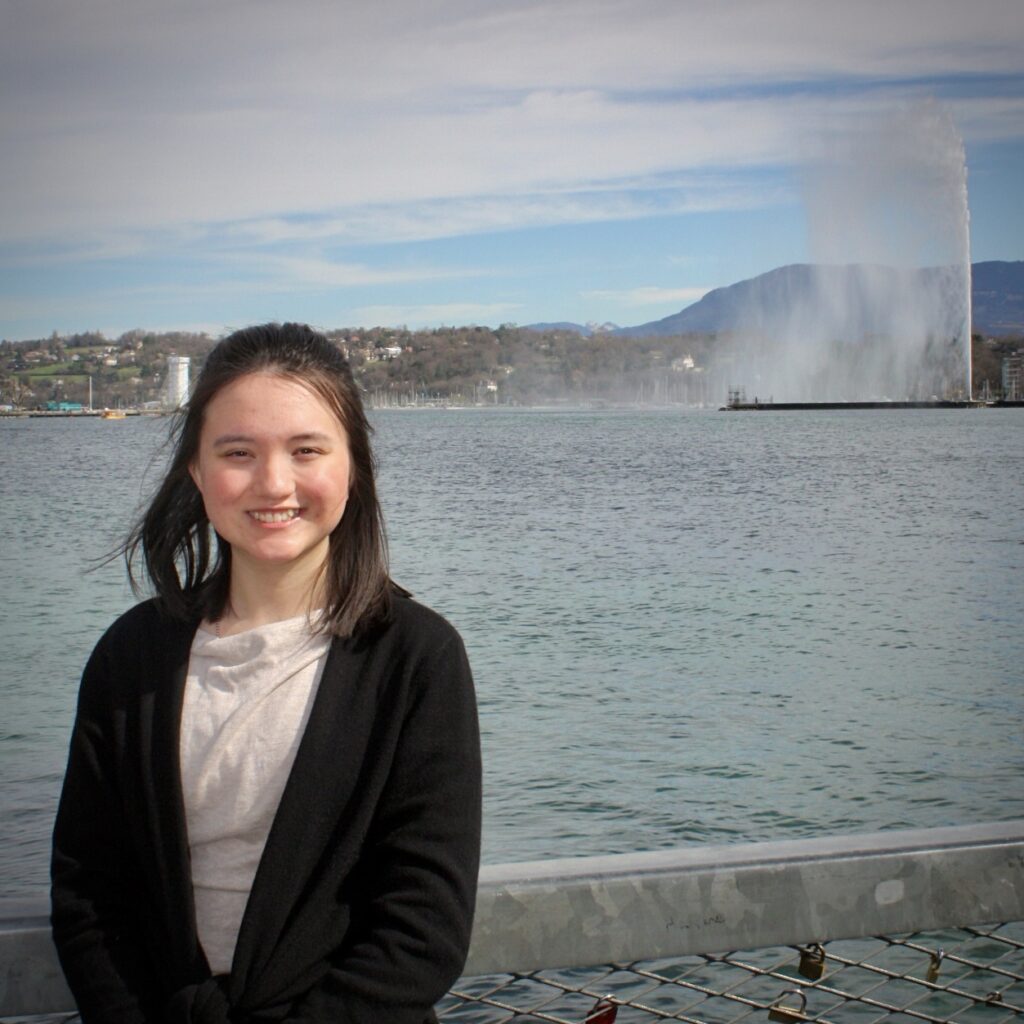
As the new leader and face of our conference, Clara Nguyen takes on the role of Secretary-General for FerMUN 2027. Alongside her academic studies, Clara is interested in creative activities—piano, singing, photography, writing… Her deep interest in MUN took root during her experience as president: “I’ve never learned so much—about MUN, about myself, and about teamwork.” The closing ceremony, the result of months of effort, hard work, and preparation, is her fondest memory. Clara’s goal: a fun and productive conference, but above all, rewarding teamwork over the next nine months. 

Hanaë Schwebel

From logistics admin to committee chair, Hanaë Schwebel is now taking on the role of Deputy Secretary-General in charge of the chairs. Curious and open-minded, she enjoys listening to music, reading, swimming, and spending time with family and friends. She plans to pursue studies in finance or pharmacy in the future. Motivated by a desire to pass on her knowledge, Hanaë now wishes to get more involved by supporting new MUNers. For FerMUN 2027, she aspires to become a true mentor, there to guide, advise, and encourage this future team of chairs. 

Sekou-Cissé Gouro

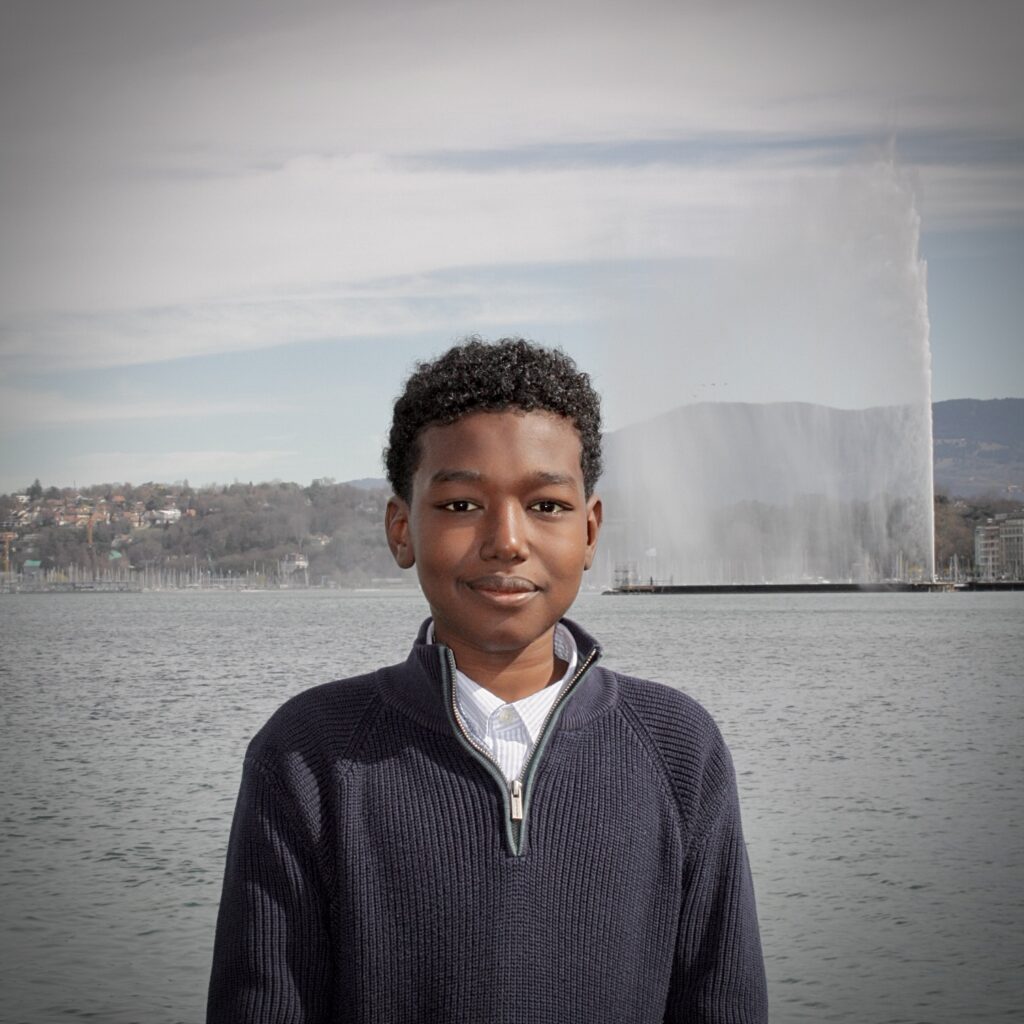
Sekou-Cissé Gouro began his journey as an admin. Today, he is the Deputy Secretary-General in charge of delegates. Inspired by the success and unity of last year’s board, he is committed to making the next edition of FerMUN unforgettable. Sekou is passionate about travel and science. Following his MUN journey, where he discovered the world of diplomacy, Sekou will likely pursue a career in aerospace or medicine, with a particular interest in AI. 

Hélène Khukhunaishvili

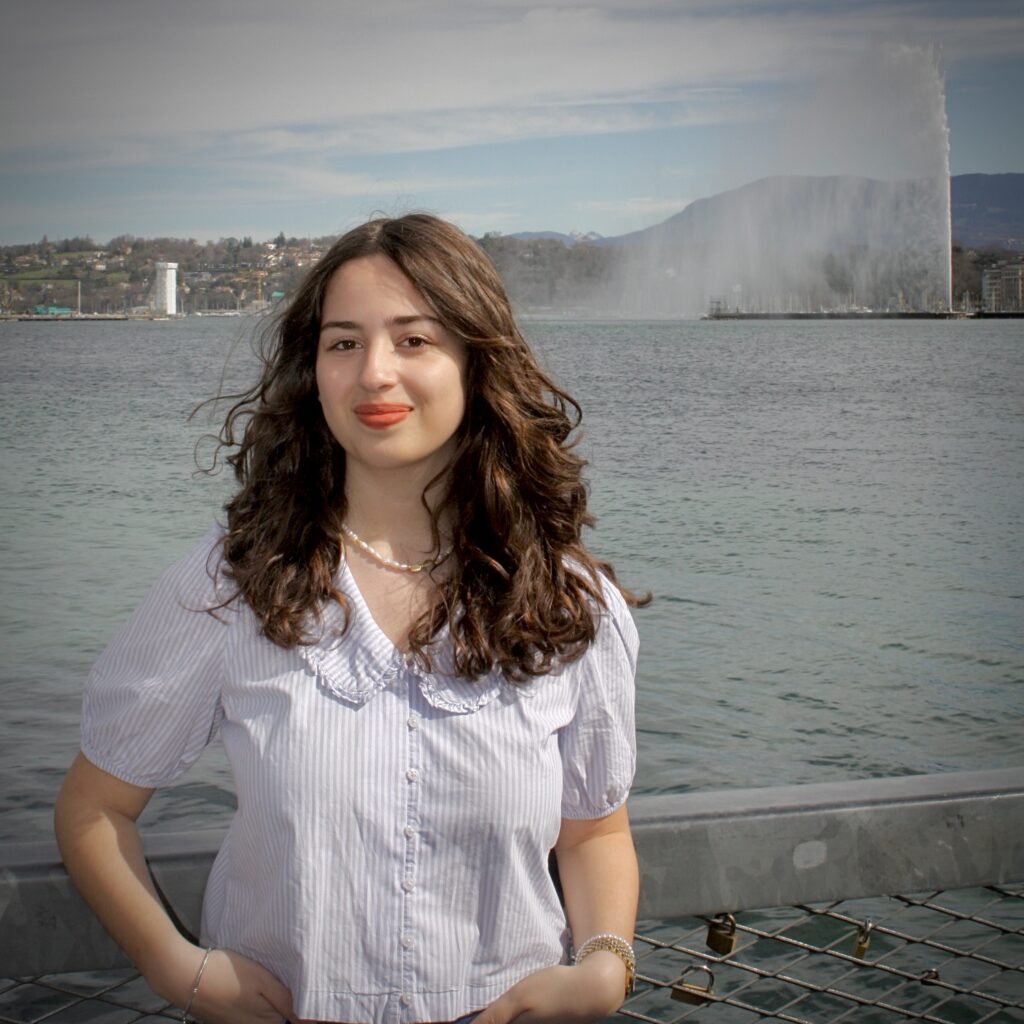
Hélène Khukhunaishvili, press and communications officer, joined MUN because of her interest in international relations and journalism. In fact, it was the role of journalist within the MUN press corps that first really captured her heart. But beyond that, Hélène has a deep love for reading, writing, and the piano. She has been playing the instrument since she was 7, and her performance at the opening ceremony of FerMUN 2025 is one of her best memories of MUN.

Grégoire Oury

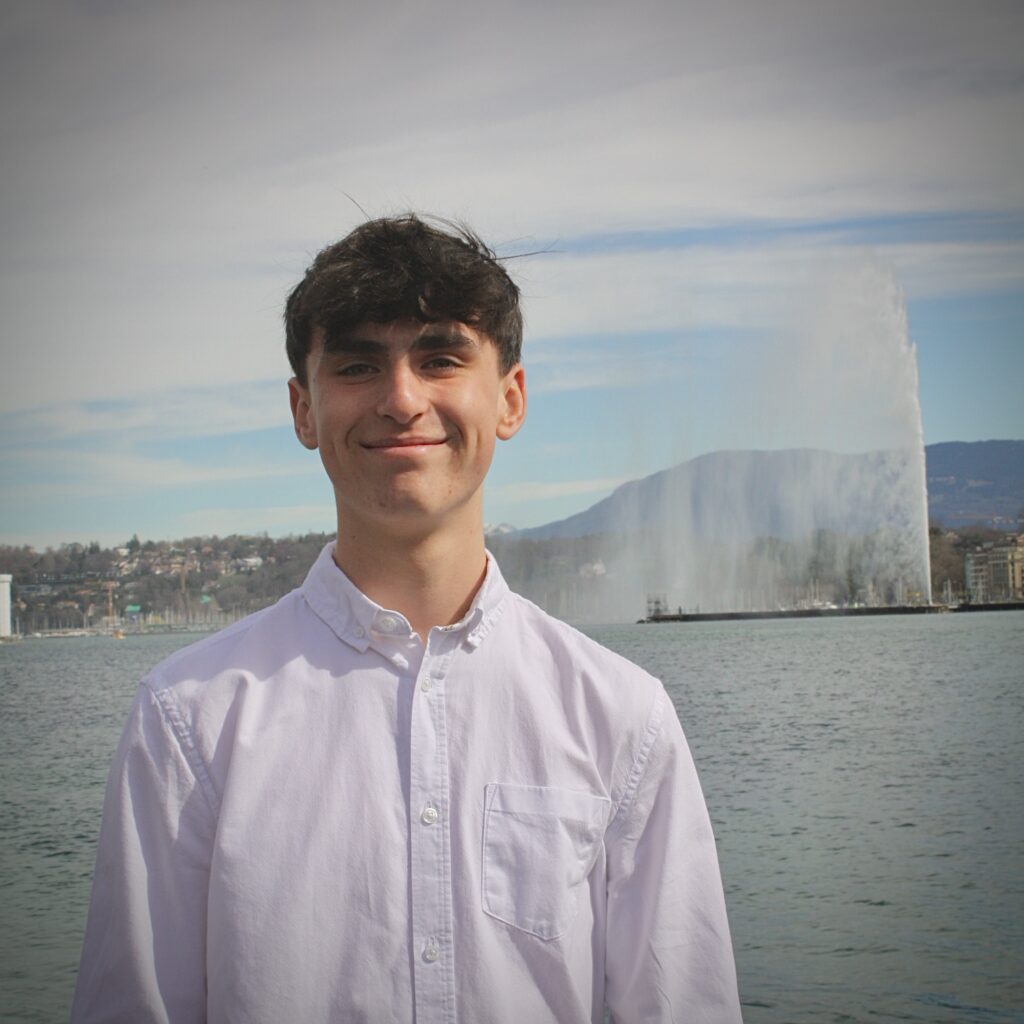
Grégoire Oury, admin in his sophomore year, is now taking on the responsibility of mentoring future admins for FerMUN 2027. As co-head of admins and the solidarity fund alongside Claire Beuchotte, his motivation for MUN stems from his interest in current events and debate, which he hopes to explore further alongside his passion for science. What motivates Grégoire to join the board is his “desire to engage in true teamwork and participate in a truly major project.” Beyond that, he wants to change the perception of the admin role—which is sometimes undervalued—by showing that it is essential, courageous, and just as memorable as the other roles. 

Claire Beuchotte

Claire Beuchotte is passionate about discovering new cultures, skiing, and traveling. She hopes to travel around the world one day. Arriving at FerMUN 2025 as an admin in her sophomore year with stars in her eyes, she admits to having felt lost at the start of her journey. Thanks to the people who supported and encouraged her, she gained self-confidence and is now Head of Administration and the Solidarity Fund, alongside Grégoire. For Claire, the Solidarity Fund is an essential pillar of FerMUN, helping to break down financial barriers to make our conference accessible to everyone.

Johanna Hayes

Johanna Hayes, the new head of interpretation, is also an athlete—with a particular interest in soccer since she was 6—and a cook, loving to try out new recipes in her free time. Motivated by her friends to join MUN, she has been an interpreter since the very beginning, which allowed her to thrive. This year, she hopes that every interpreter can find their footing in this role, just as she was able to. For Johanna, MUN truly became real, grand, and impressive during her first opening ceremony in 2025.

Madeleine Johansen

The new Translation Coordinator, Madeleine Johansen is also a sports enthusiast, participating in track and field and skiing in the winter. Since she was very young, she has admired the prestigious place where her parents work: the United Nations. Wanting to discover how the UN works, she joined MUN as an office admin, a role that introduced her to the conference. She became a translator in her freshman year, when she realized that this role is what ensures the conference runs smoothly. As head of translation, she wants to ensure that everyone feels comfortable at MUN, regardless of the language they speak: “Cohesion is the key to a successful conference.”